
The Story Before Fidelity
The story of Fidelity Realty Company begins before there was a company, an apartment community, or even a collection of rental houses.
It begins with Zebulon William "Z. W." Austin, known to family and friends simply as "Doc."
Born June 3, 1921, Doc grew up in a family of sharecroppers. Like so many American families of his generation, the Austins endured tremendous hardship during the Great Depression. The family lost nearly everything they owned, and throughout parts of his childhood, Doc knew firsthand what it meant to live as a tenant, moving with his family from one rental house to another. Those experiences would remain with him.
As a young man, Doc worked, saved his money, and eventually enrolled at Wheaton College in Illinois. It was there that he met Ellen Van Westenbrugge, the woman who would become his wife and partner for the decades ahead.
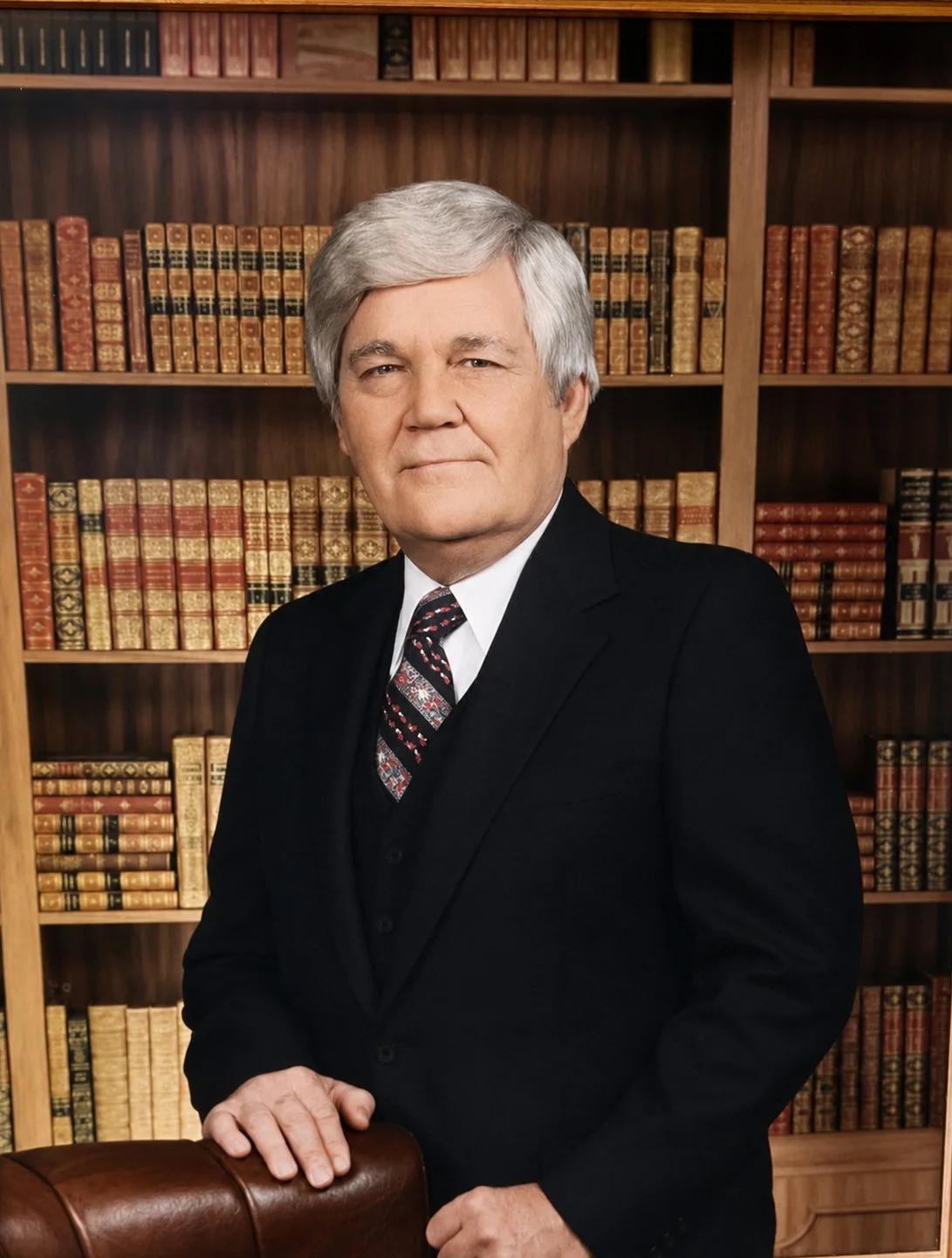
Zebulon William "Z. W." Austin
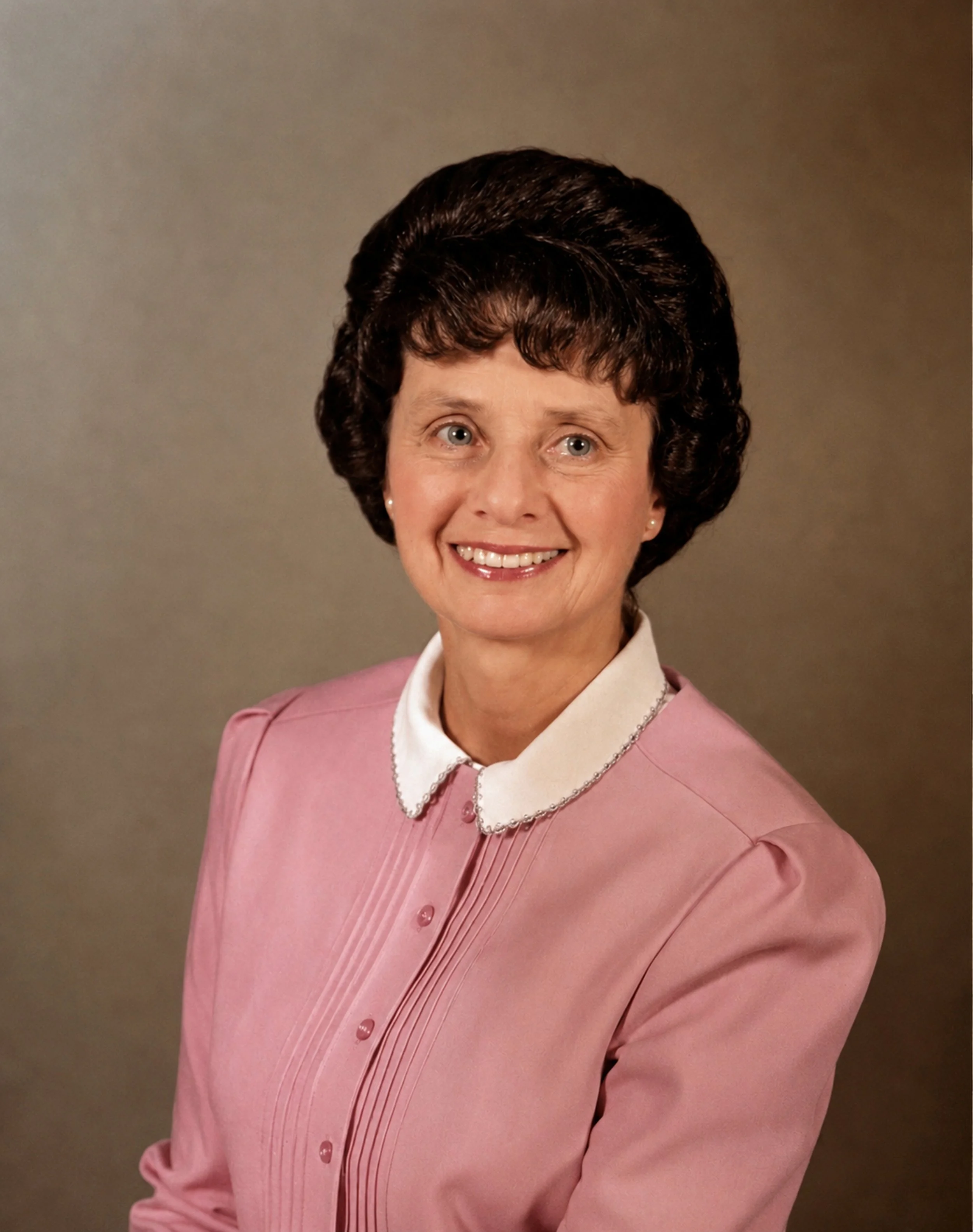
Ellen Van Westenbrugge Austin
Doc and Ellen married in 1945 and eventually made their home in Greensboro, North Carolina. They became charter members of Westover Church and raised two sons, Mark and Stuart, while building a life centered around family, faith, community, and hard work.
Doc possessed a natural entrepreneurial spirit. Over the years, he pursued a variety of business ventures, but real estate would become his enduring legacy.
Perhaps his childhood experiences helped shape his understanding of just how important a good rental home could be.
Doc believed there was a large and dependable market for well-managed, middle-market housing offered at reasonable rents. Rather than concentrating on expensive new properties aimed exclusively at the highest end of the market, he believed there was greater stability in providing good homes at rents ordinary working people could afford. It was a straightforward philosophy.
More than six decades later, much of it remains at the heart of Fidelity Realty Company.

Mark J. Austin
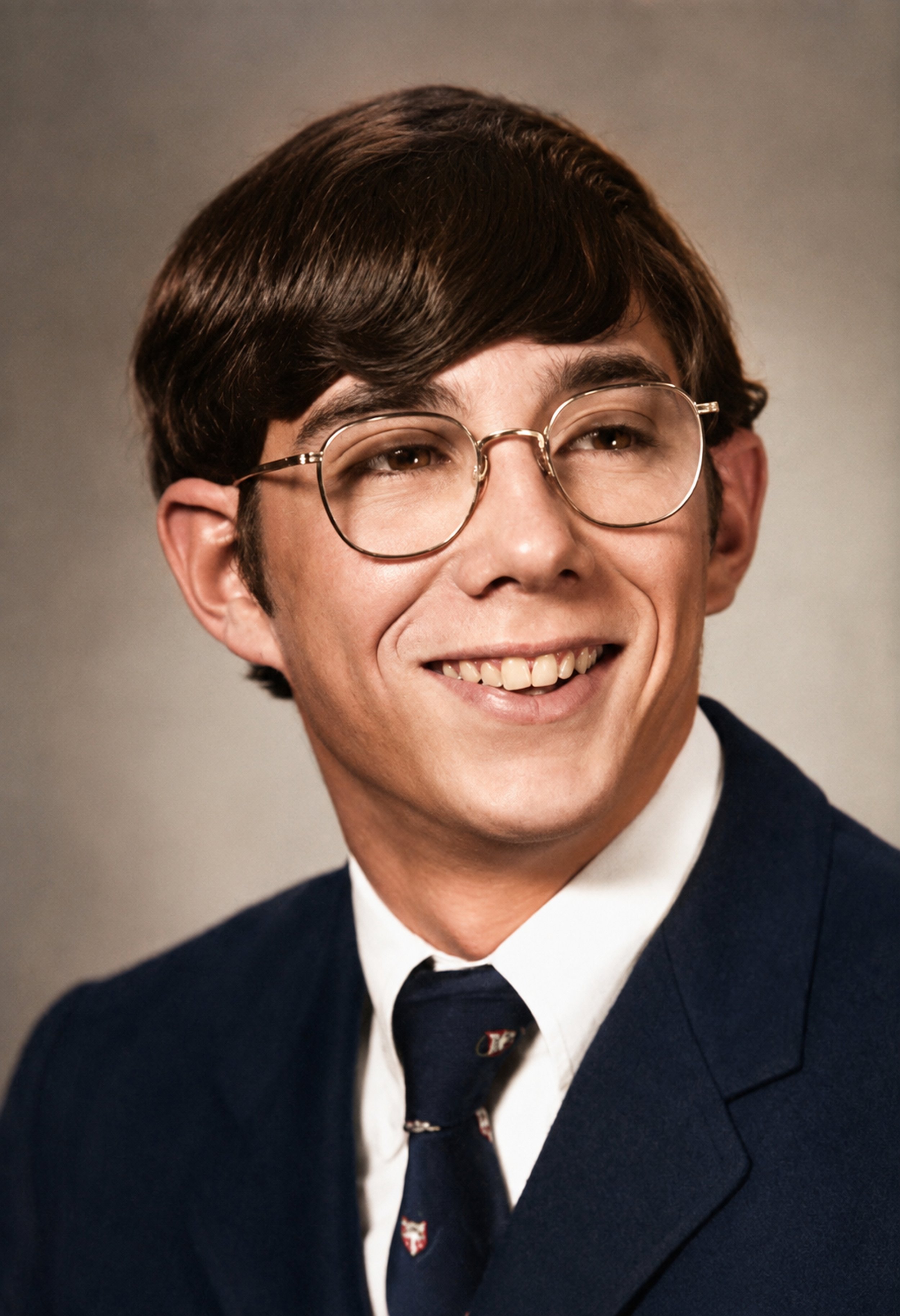
Stuart W. Austin
1962
A Company Is Born
In 1962, Doc formally established Mortgage Investment Corporation, the company that would operate publicly as Fidelity Realty Company. Its beginnings were modest.
The original portfolio consisted of fewer than twenty rental houses that Doc had accumulated during the preceding four years, along with a small multifamily building he had constructed in 1959.
There was little indication then of what those first properties would eventually become.
But the foundation had been laid. Fidelity would grow not through rapid expansion or speculation, but through philosophy that would become increasingly familiar over the decades ahead: Acquire carefully. Manage responsibly. Improve thoughtfully. Build for the long term.


1962 - 1976
1964 -1969
The Early Years of Growth
The young company soon began to expand. In 1964, Fidelity acquired a five-building, 40-unit apartment community on Mosby Drive.
In the next few years, the company made two acquisitions that would become particularly important to its history. In 1965, Lindley Park Manor joined the portfolio. One year later, in 1966, Latham Park Manor followed. Both would become familiar Greensboro properties, and remarkably, more than sixty years later, both remain part of the Fidelity Realty portfolio.
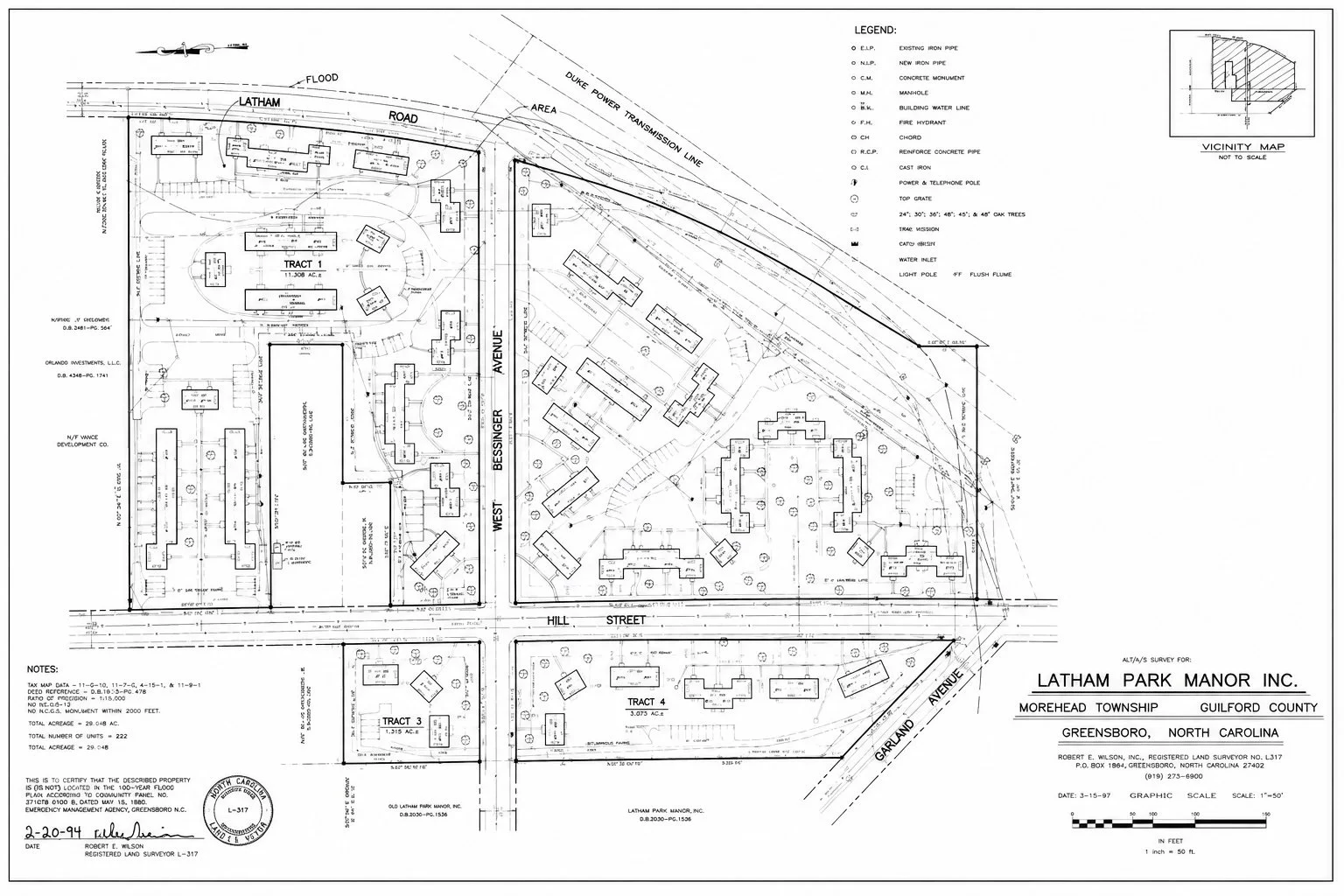
Latham Park Survey Plans
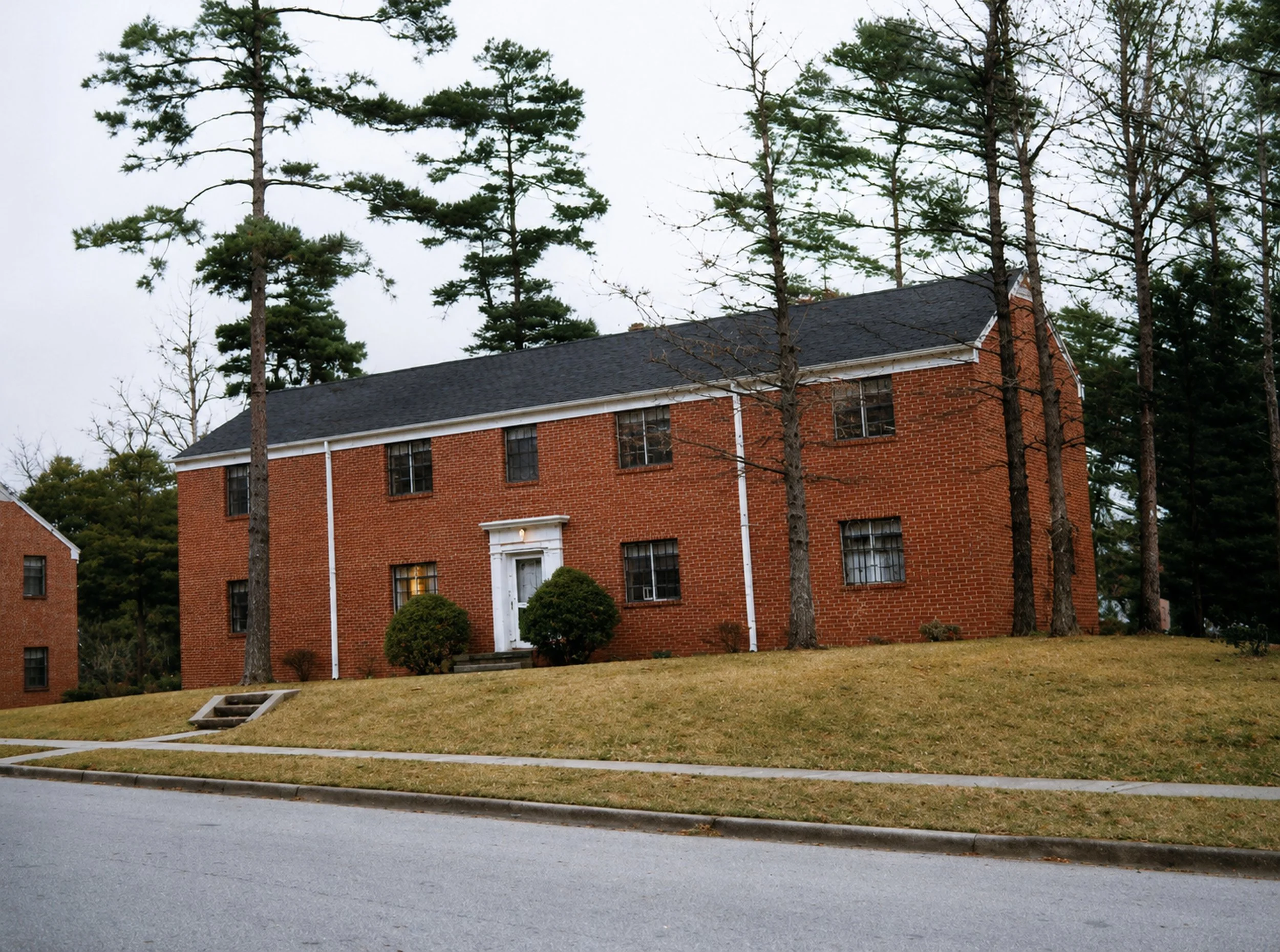
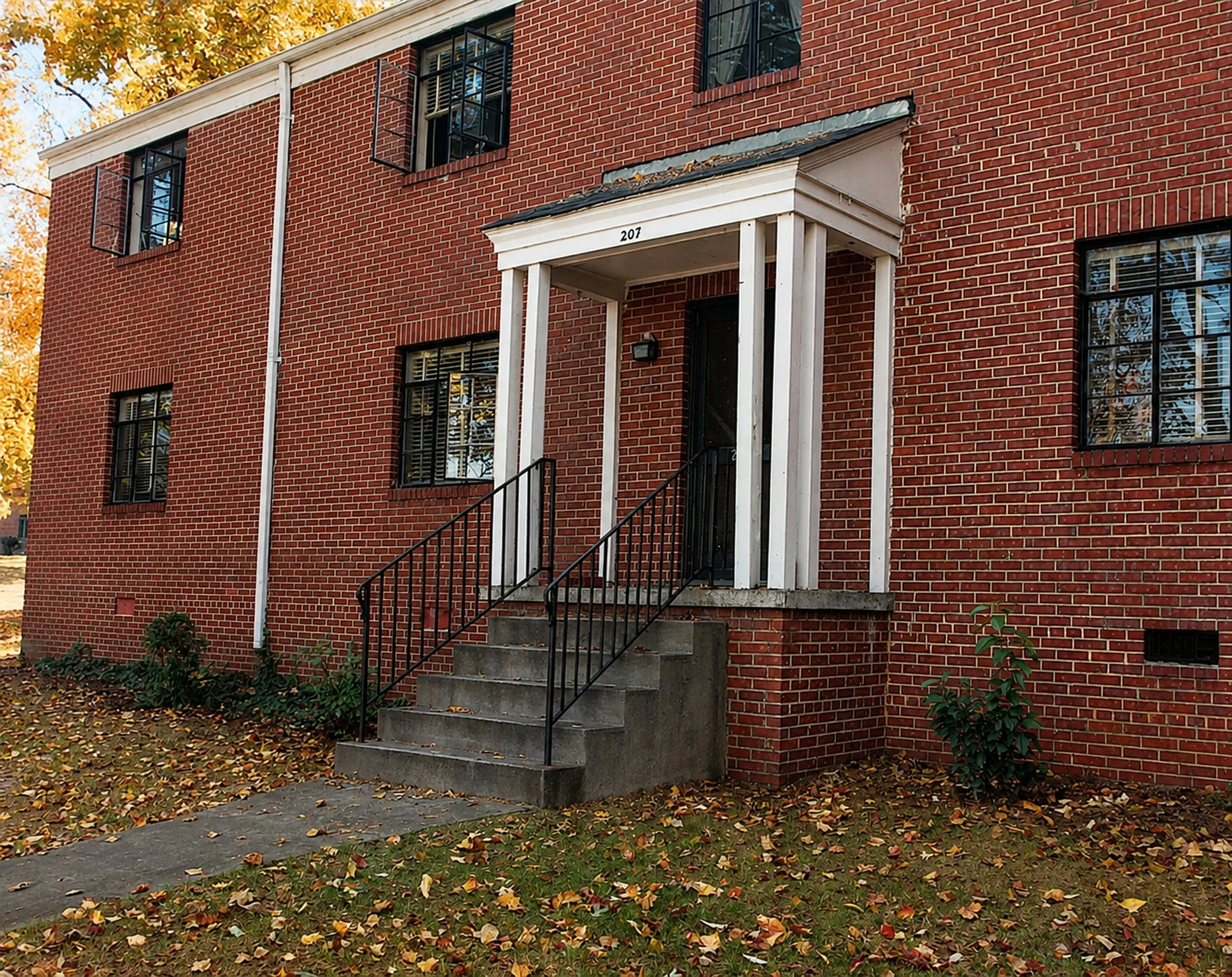
Lindley Park Manor
Not every venture proved successful. The acquisition of the Whispering Pines Motor Lodge created a serious financial challenge when the property was unable to generate consistent positive cash flow.
When the investment partnership eventually ended, Doc acquired the remaining interest in Mortgage Investment Corporation. The transaction left the young company severely undercapitalized just as the American economy entered the difficult economic environment of the 1970s.
Fidelity had survived its first major test. It would not be its last.
The 1970s
Perseverance and a Second Generation
The 1970s brought inflation, high interest rates, economic uncertainty, and significant financial pressure to a still-young company. They also brought the beginning of Fidelity's second generation.
In 1972, Doc's eldest son, Mark J. Austin, joined the company. His younger brother, Stuart W. Austin, followed in 1973. Neither entered the family business at the top.
Mark and Stuart began as rental agents and apartment turnover specialists, learning property management from the ground up while working alongside their father.
The work was practical and often demanding. Apartments had to be rented, repaired, cleaned, painted, maintained, and prepared for the next resident. The brothers learned not simply how to own real estate, but how to operate it.

Main Office of Fidelity Realty, Co.
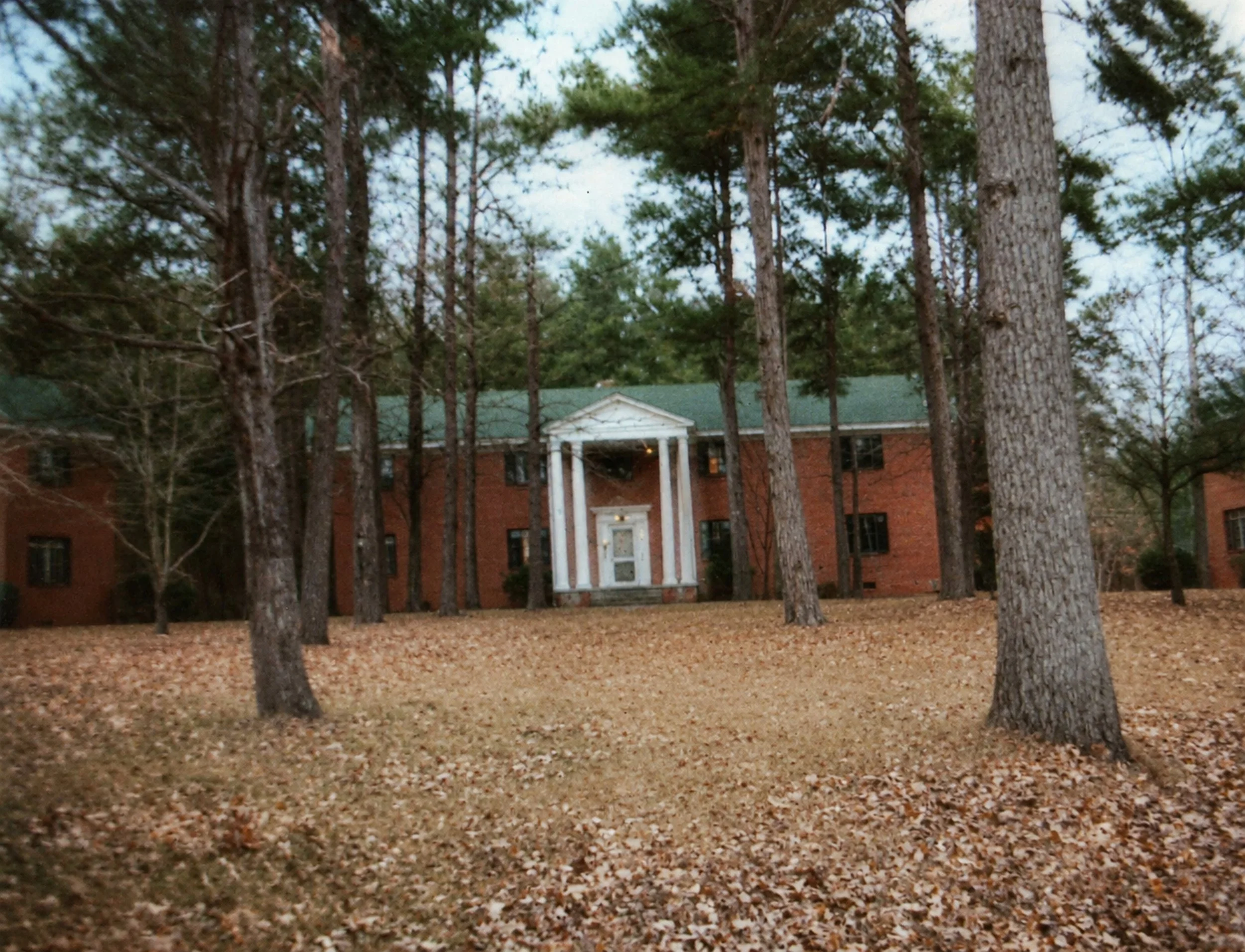
Lindley Park Manor
Despite the company's financial challenges, Fidelity continued to move forward. In 1973, Sherwood Court Apartments was built, adding another property to the growing portfolio.
By 1977, Mark had been elected President of Mortgage Investment Corporation while Doc retained the chairmanship. The following year, Stuart was elected Vice President.
Under Doc's conservative financial controls, the company's financial position gradually began to strengthen by the end of the decade.
But another problem was becoming increasingly apparent. Many of Fidelity's properties were beginning to show the effects of age and deferred maintenance. The solution to that problem would fundamentally reshape the company.
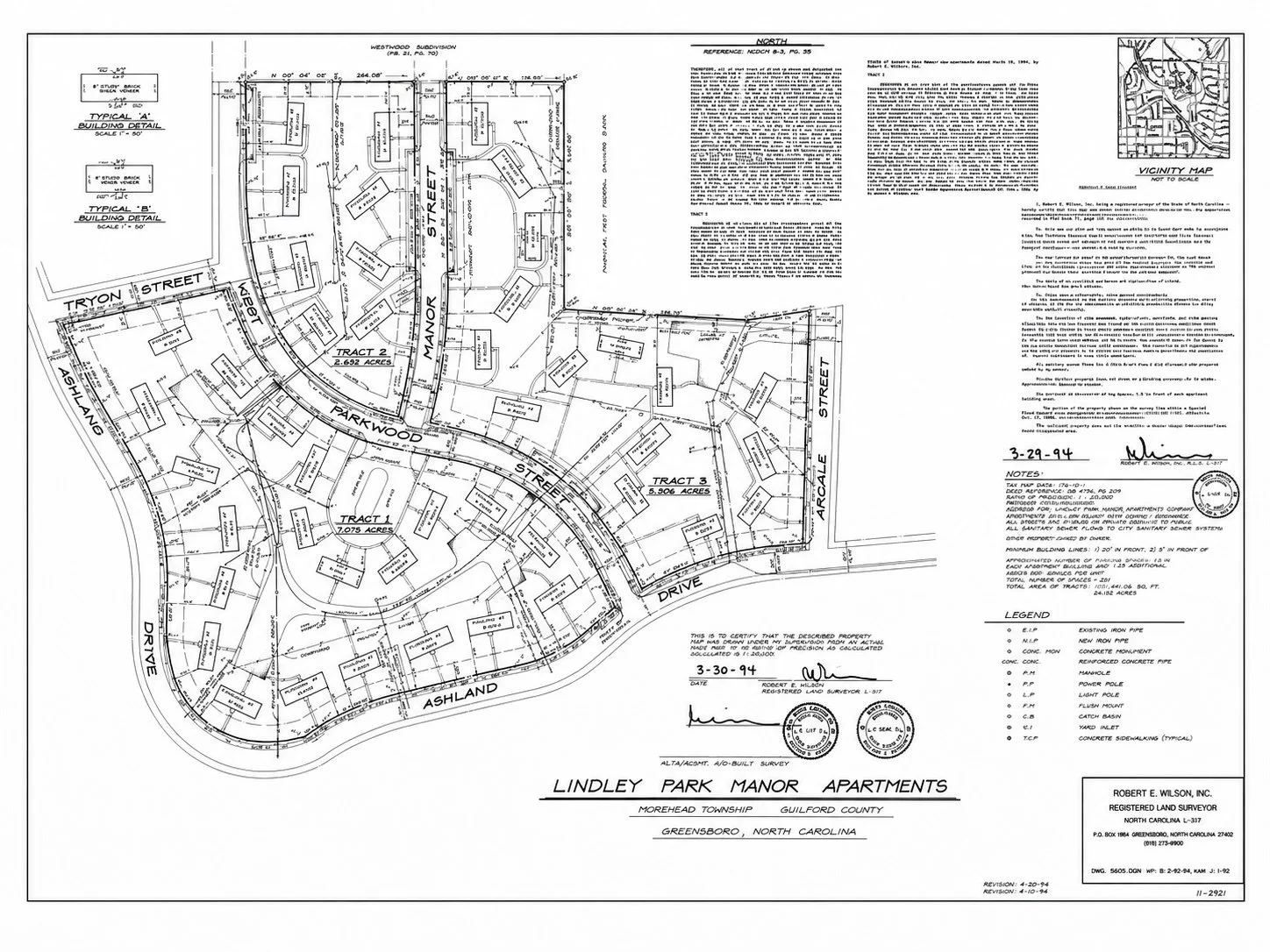
Lindley Park Survey Plans
1979
A New Direction
In 1979, Fidelity began the first serious renovation of a Mortgage Investment Corporation property. The project was the Mosby Drive Apartments, acquired fifteen years earlier.
Following the improvements, the quality and stability of the resident base improved substantially. Occupancy reached 100 percent, and rents doubled within approximately three years.
Mosby Drive demonstrated something important. Fidelity did not necessarily have to replace older properties with new construction. An existing property with good underlying potential could be carefully renovated, repositioned, and given an entirely new life.
That successful experiment helped establish a philosophy that would guide the company for generations: See the potential in what already exists.
Plans began to take shape for the systematic renovation and modernization of Fidelity's portfolio. Then, unexpectedly, everything changed.
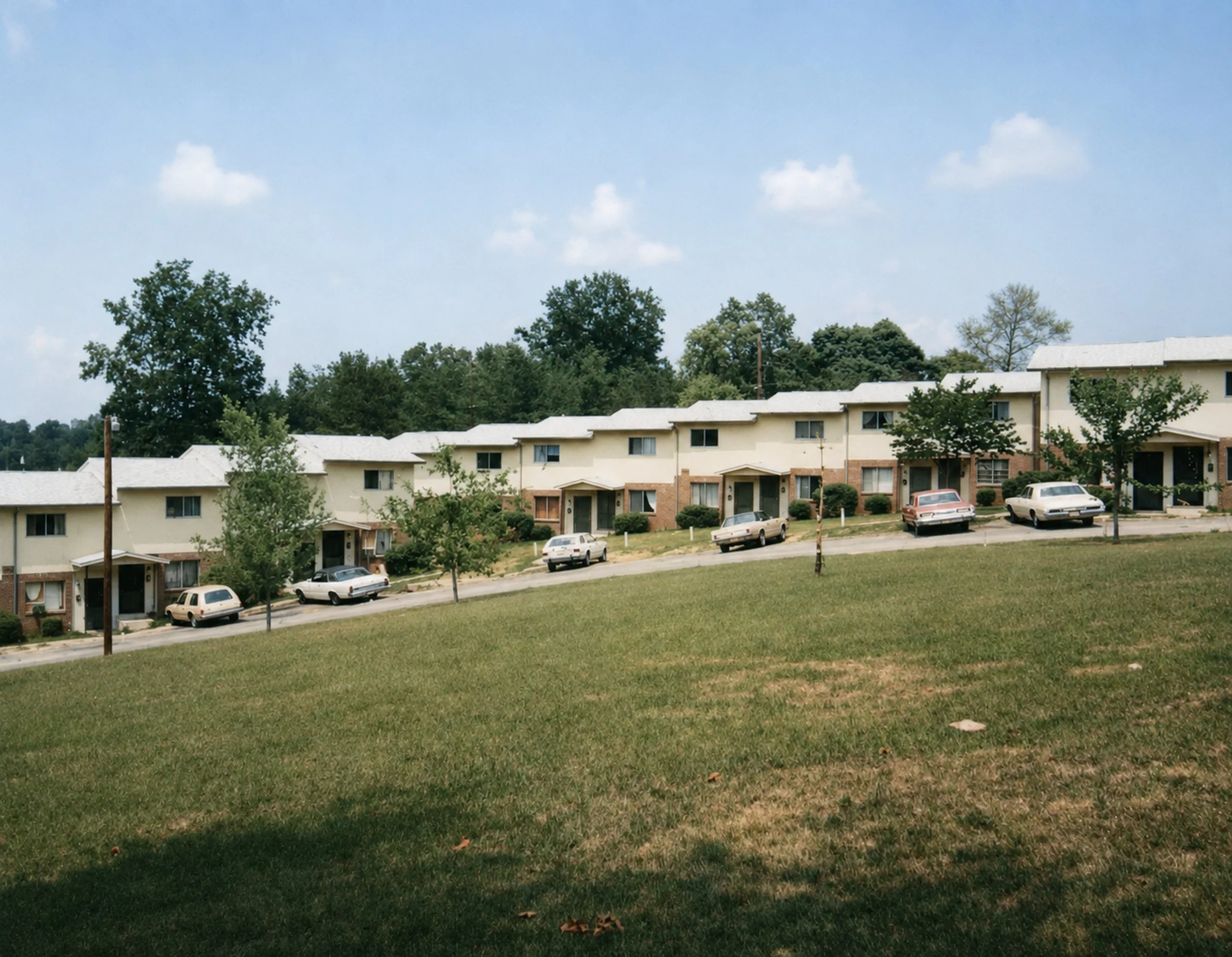
Mosby Drive
1977 - 1999
1981
Carrying On
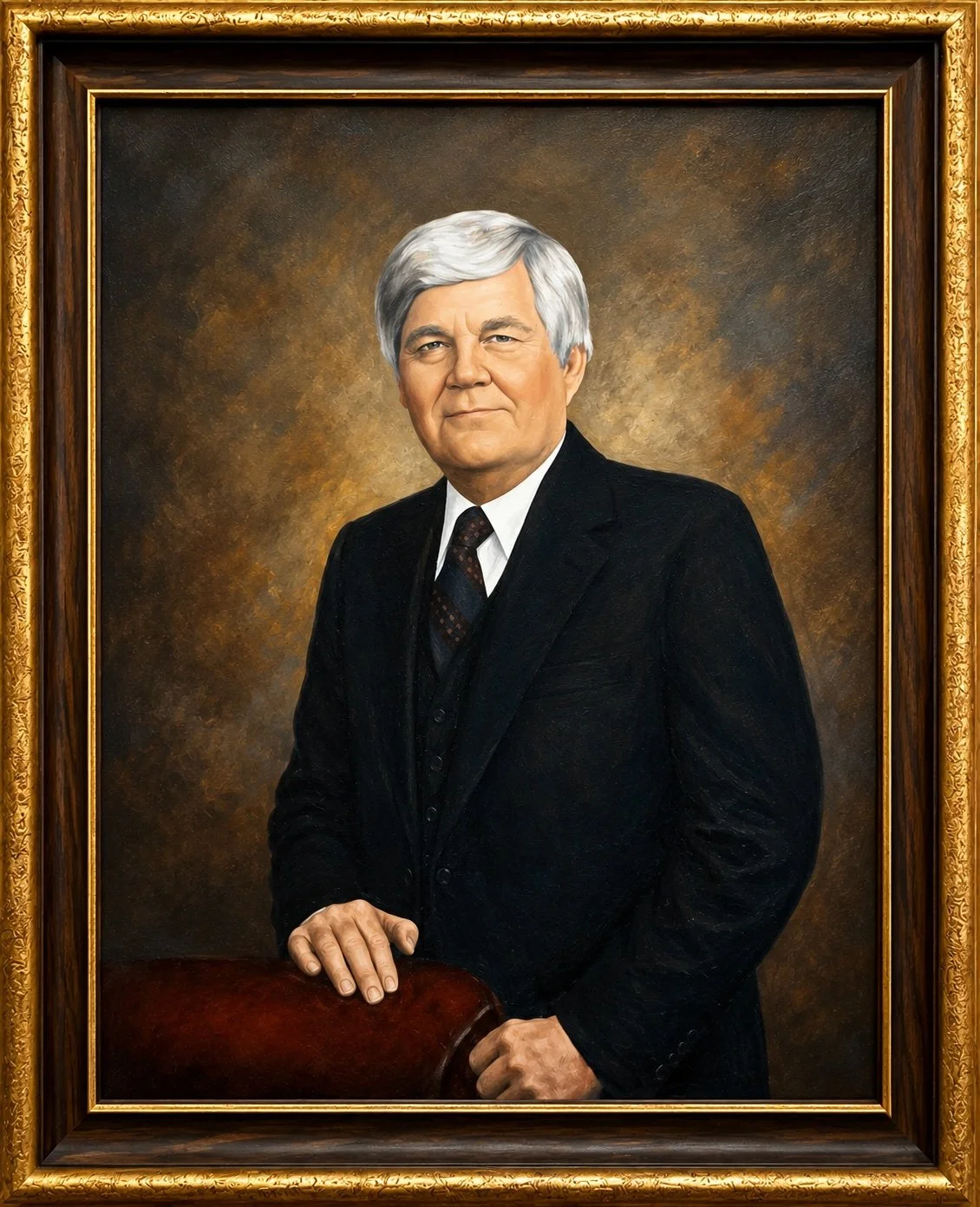
In December of 1981, Z. W. “Doc” Austin died unexpectedly following a brief illness.
The founder who had guided the company from a handful of rental houses through nearly two decades of growth was gone.
Doc's wife, Ellen V. Austin, assumed the chairmanship of Mortgage Investment Corporation. As the company's principal shareholder, she provided continuity between the founding generation and the future her sons were beginning to build.
For Mark and Stuart, the loss was both personal and professional.
They had spent the previous decade learning the business beside their father. Now they were responsible for carrying it forward without him.
Amid their grief, the brothers went to work.
And the most ambitious period of property reinvestment in Fidelity's history began.
1982-1991
Reinvestment and Renewal
Between 1982 and 1985, Fidelity undertook a large scale renovation of Latham Park Manor. It was followed by an even larger undertaking.
In 1986, work began on another massive renovation of Lindley Park Manor, a project that would continue until 1991. Both were substantial investments for the company and both proved highly successful.
At the same time, Mark and Stuart carefully evaluated the remainder of the portfolio. Properties that no longer fit Fidelity's long-term plans - whether because of location, changing neighborhoods, or the economics of continued maintenance - were gradually sold.
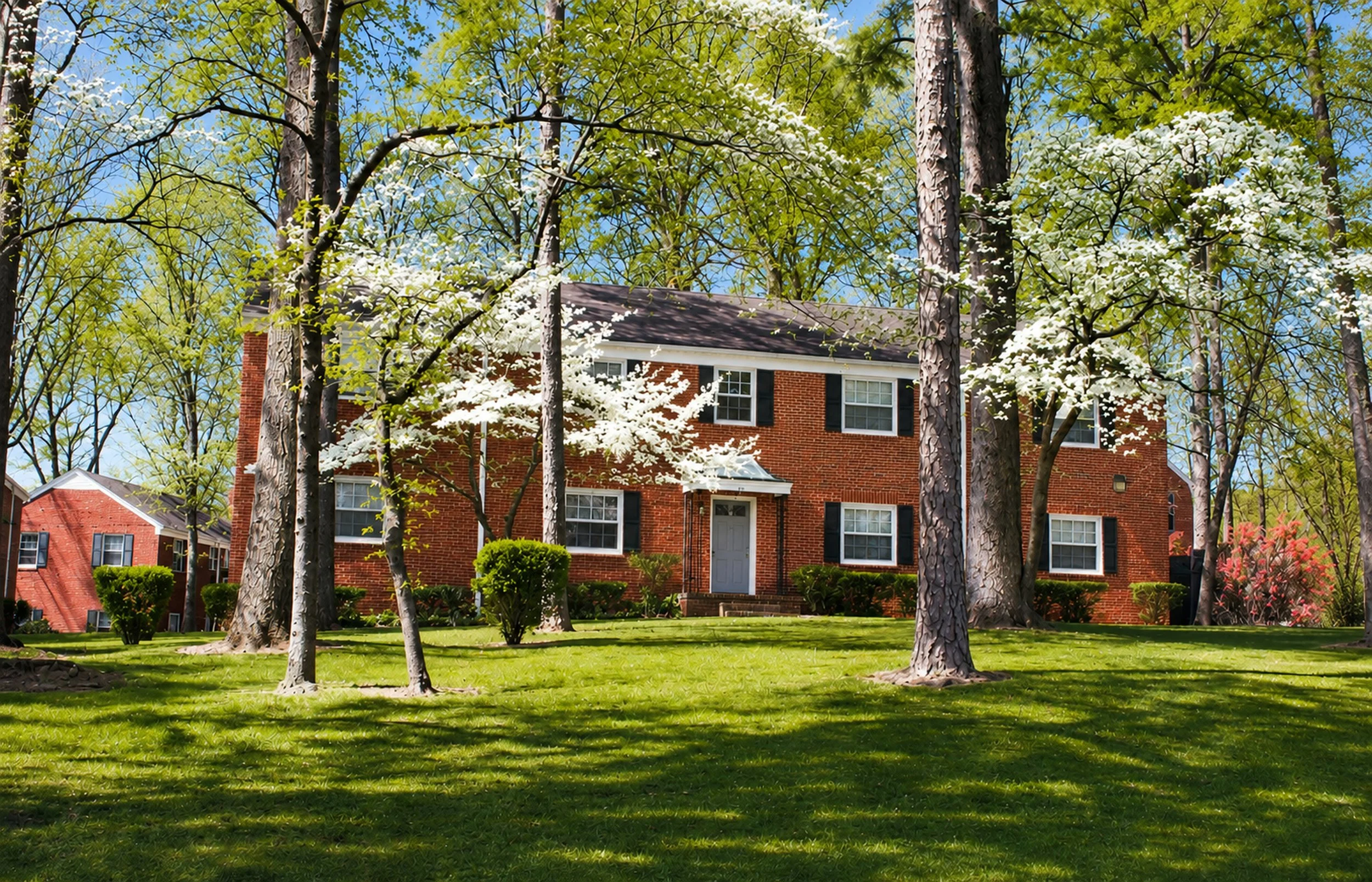
Springtime at Lindley Park Manor
Resources could then be redirected toward properties with stronger long-term potential. This wasn't growth simply for the sake of becoming larger. It was an effort to become stronger.
In 1989, Fidelity acquired Yorkleigh Apartments in Jamestown, extending the company's presence beyond Greensboro while remaining true to the strategy that had served it well: acquire an established property with potential and invest in its future.
By the beginning of the 1990s, the small rental business Doc had founded three decades earlier had been transformed.
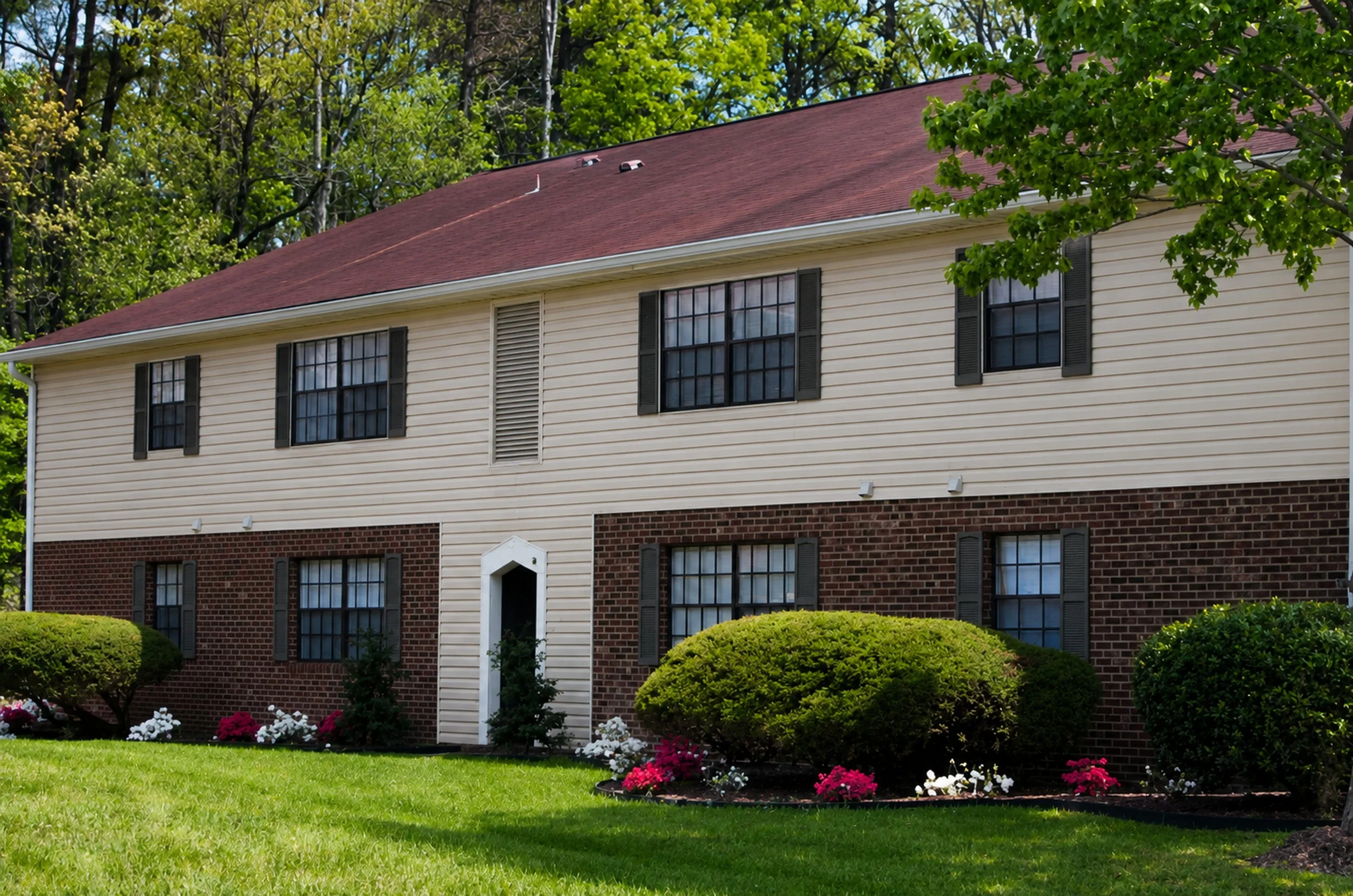
Yorkleigh Apartments
The People Behind the Properties
Buildings are only part of the story of a property management company. The rest is written by people.
Throughout Fidelity Realty Company’s history, the Austin family has provided generations of leadership, but the company was never built by one family alone. Its success has always depended upon a remarkable group of employees, contractors, and friends who answered telephones, kept the books, repaired and painted apartments, cared for the grounds, prepared homes for new residents, hauled trash, solved problems, and simply did whatever needed to be done. Many stayed not merely for years, but for decades.
Among the longest associations in the company’s history was that of the late Tommy Chandler, a good friend of Doc Austin, whose relationship with Fidelity spanned nearly 50 years. His service reached back to the company’s earliest years and connected generations of its history.
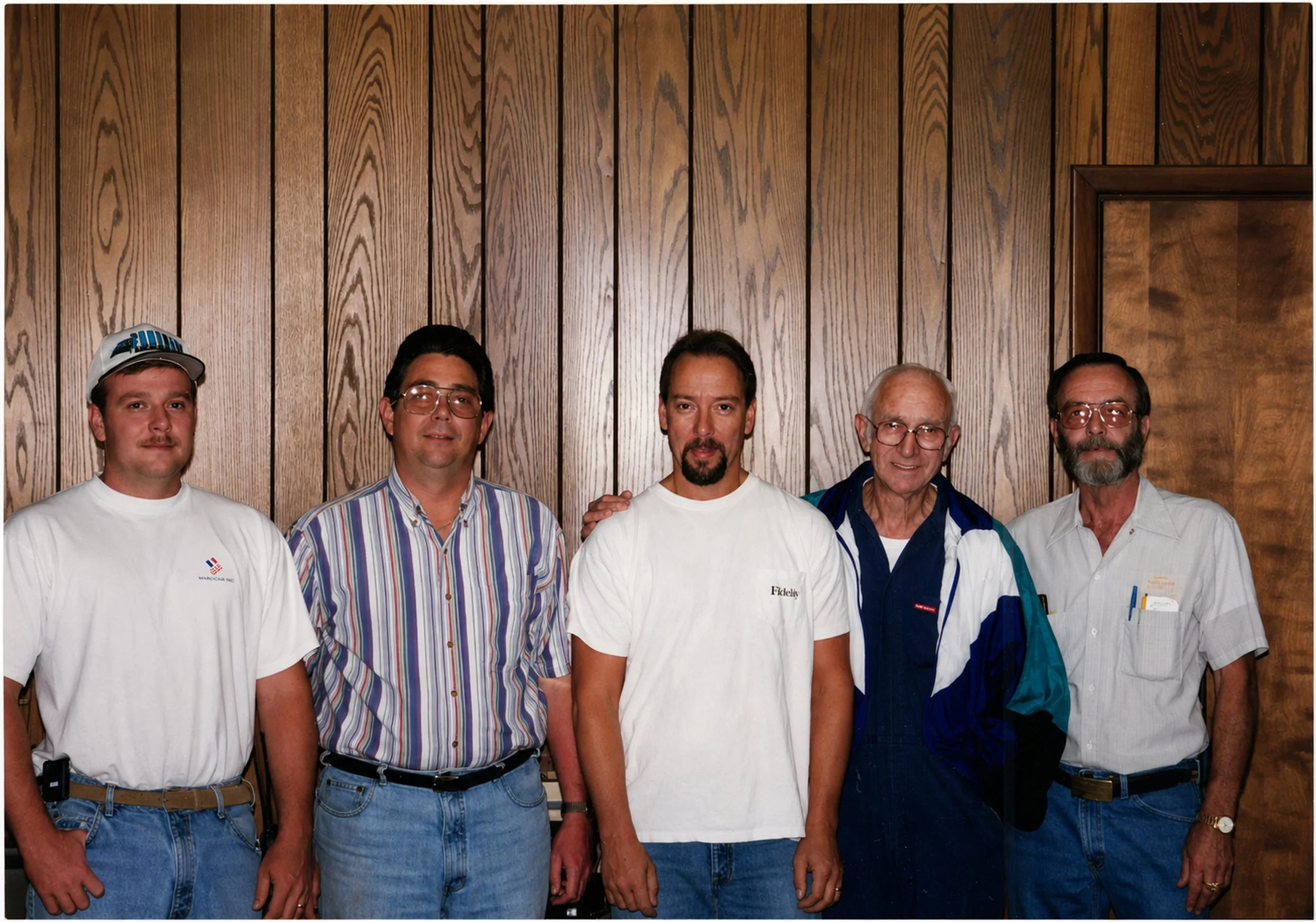
William Blevins, Stuart Austin, Mike Murphy, Hyatt Pearson and Charlie Bean
That same spirit of service can be found in Harold Daniel and his crew, including his nieces and nephews. Harold’s relationship with Fidelity has spanned approximately 45 years. During that time, he has painted and cleaned apartments, performed lawn care, moved trash, and taken on virtually anything asked of him. His willingness to do whatever was needed has made him an invaluable part of the company’s story.
For more than 30 years, Connie Stanley has lent his skill and craftsmanship to the renovation of countless bathrooms throughout Fidelity’s properties. Although Harold and Connie have worked as independent contractors, their longstanding relationships with the company have made them an important part of the Fidelity family.
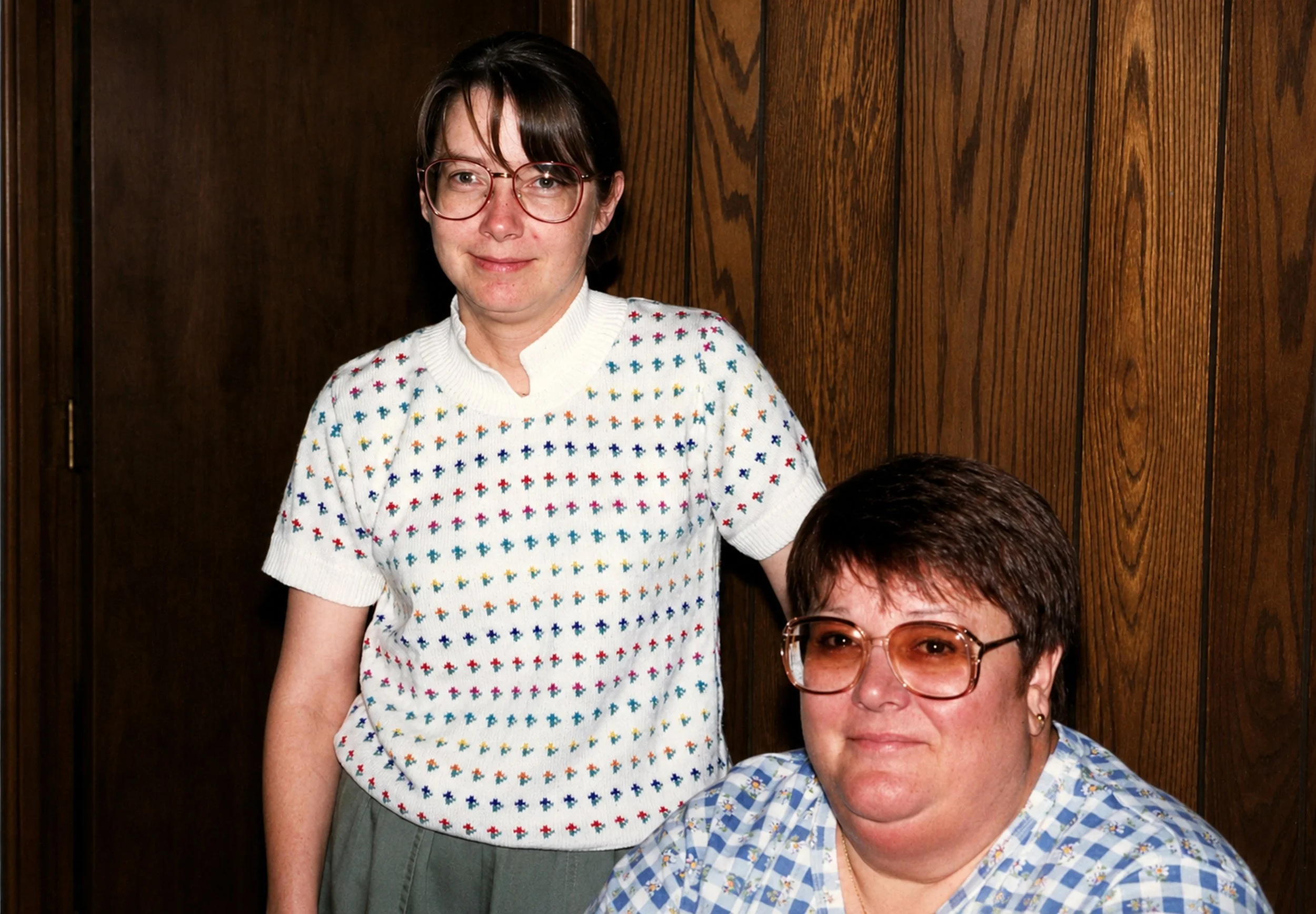
Teresa Bennett and Vicki Blevins
Mike Murphy devoted 40 years to Fidelity as a maintenance technician before retiring in 2025. For four decades, his knowledge, dependability, and service helped keep the company’s properties operating and its residents cared for.
Behind the scenes, office staff provided the organization and continuity necessary to keep everything moving. The late Vicki Blevins served as Property Manager for 30 years, becoming a familiar and important presence within the company. Teresa Bennett likewise contributed many years of service as an accountant.
Others also became meaningful parts of the Fidelity story. The late Charlie Bean worked with the company from 1989 to 1999, while the late Hyatt Pearson, Mark Austin’s father-in-law and a master carpenter, shared his considerable craftsmanship with the company for several years. Mark’s children, Amanda and Jonathan Austin, also worked for the company before embarking upon their own professional careers.
The longevity of these relationships says something important about Fidelity Realty Company. Some came to work with the company and remained for ten, twenty, thirty, forty, or even nearly fifty years. Over time, coworkers became friends, friendships crossed generations, and many became woven into the fabric of the company itself.
They repaired apartments and cared for grounds. They balanced books and answered residents’ calls. They worked through renovations, difficult economies, changing neighborhoods, new technology, and generations of leadership. Much of what they did was never glamorous, and much of it happened quietly, without recognition.
But without them, there would be no Fidelity story. They were more than employees and contractors. They became part of the Fidelity family—and their fingerprints can be found throughout the company they helped build.
A New Millennium
One of Fidelity's Greatest Tests
The opening decade of the twenty-first century brought another period of profound economic uncertainty. The aftermath of the September 11 attacks, economic instability, changes in housing and mortgage markets, and eventually the financial crisis placed tremendous pressure on rental-property owners across the country. Fidelity was not immune.
For more than four years, company vacancies remained around 22 percent, while gross rental income declined by more than 8 percent.
Then, in 2008, the nation was plunged into its most severe financial crisis since the Great Depression. The collapse of the housing and mortgage markets contributed to widespread foreclosures, business failures, rising unemployment, and tremendous uncertainty for American families, further disrupting an already struggling housing and rental market.

2000 - 2016
Between 2002 and 2009, Mortgage Investment Corporation endured substantial financial losses. For a company that had always operated conservatively, it was an extraordinary test.
But Fidelity had been tested before. The lessons learned during the difficult 1970s — careful financial management, patience, restraint, and a willingness to think in decades rather than months - again proved invaluable.
The company endured. And while one generation was navigating another economic storm, a third was beginning to arrive.
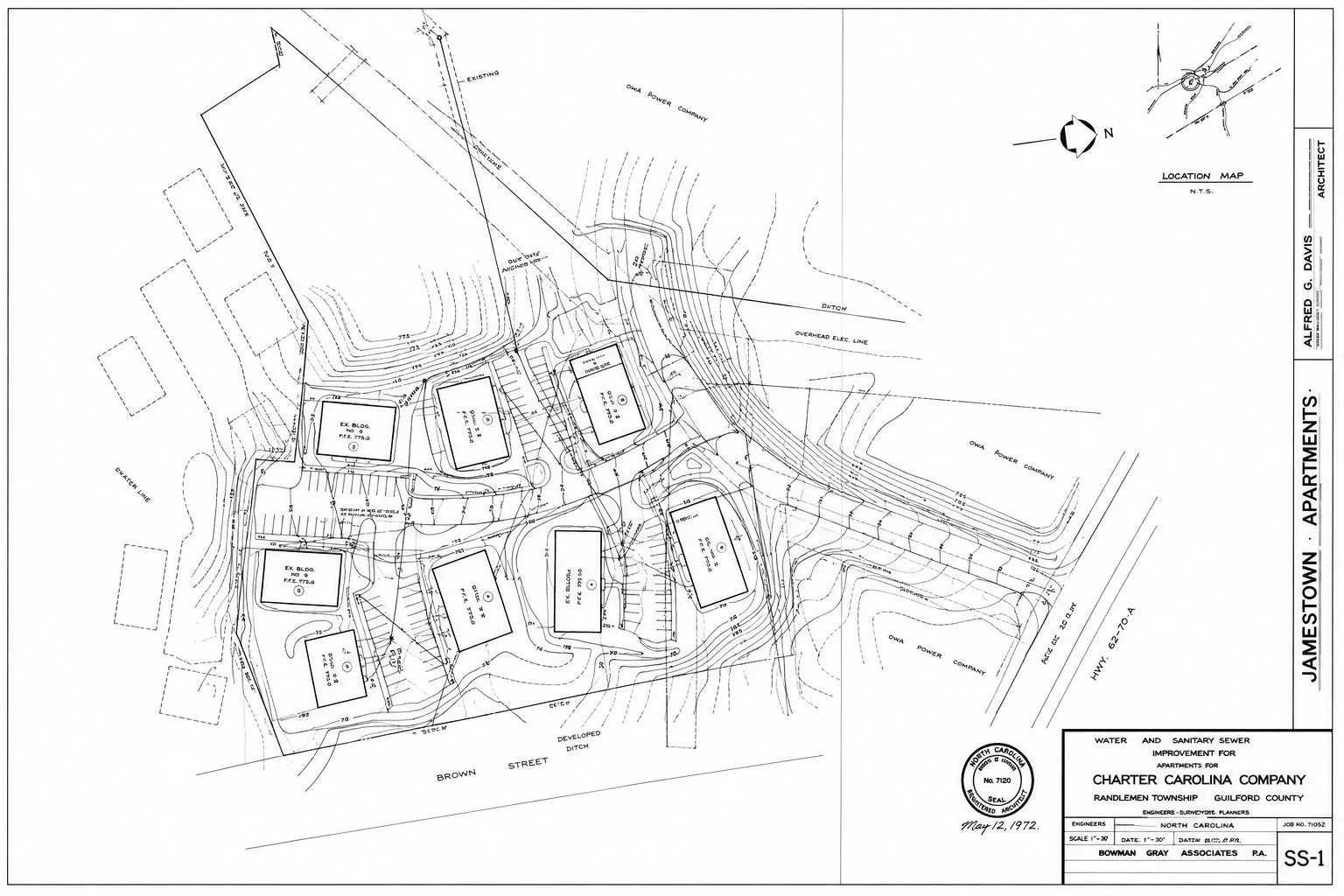
Yorkleigh Survey Plans
2005-2010
The Third Generation Begins
In 2005, Stuart's son Jason Austin joined Fidelity Realty Company. His brother Ryan Austin followed in 2007.
Much as their father and uncle had done more than thirty years earlier, the third generation learned the family business through its everyday operations—leasing apartments, preparing homes for residents, understanding the properties, and learning what it took to keep a rental community operating.
Jason would eventually become President of Operations and Finance. Their arrival represented something Doc could only have imagined when he began purchasing rental houses decades earlier: A third generation was learning the business he had created.
In 2010, another chapter closed when family matriarch and Chairman Ellen Austin-Lancaster passed away. Mark and Stuart assumed ownership and control of the company their parents had begun.
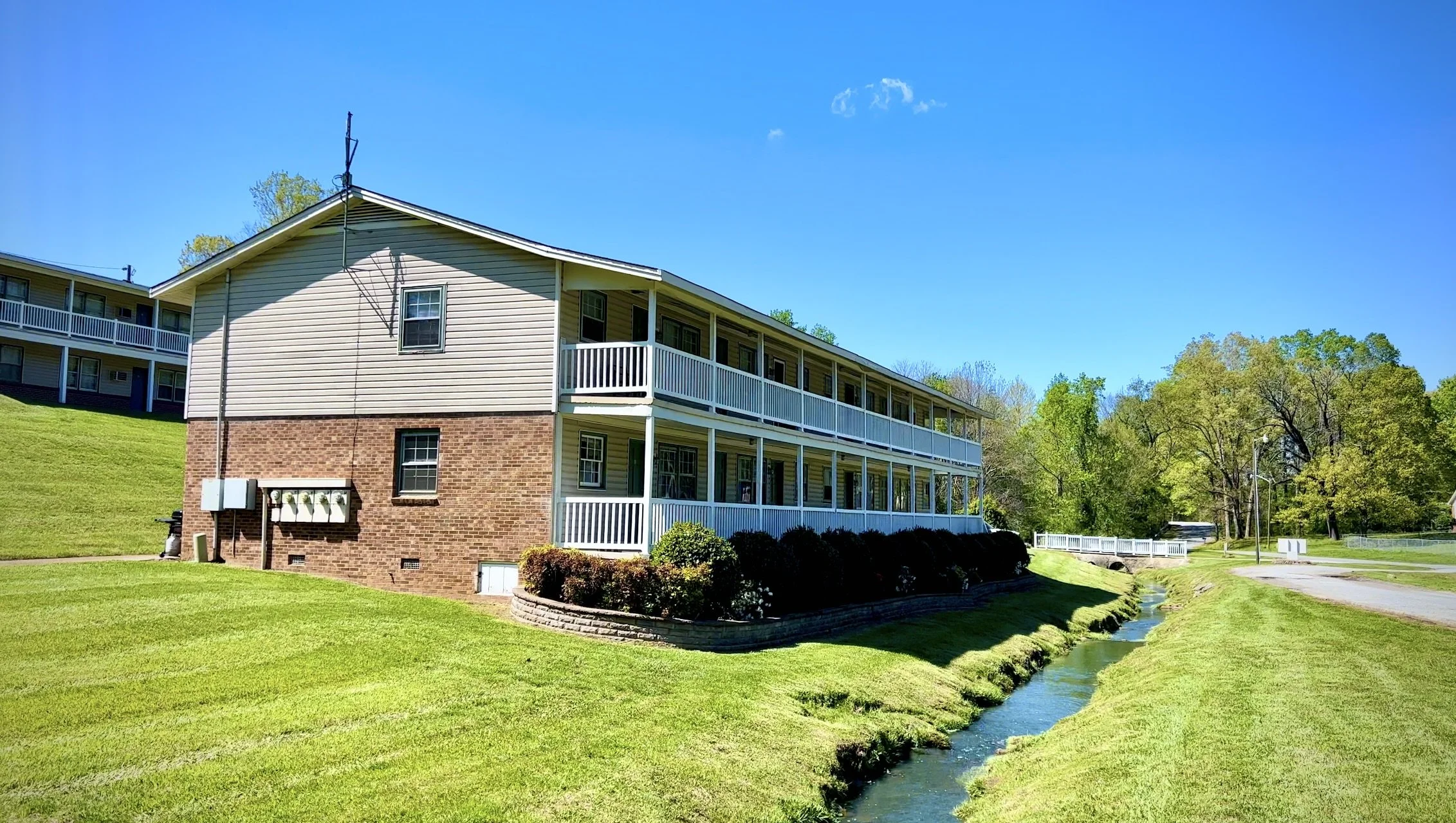
Lakewood Apartments
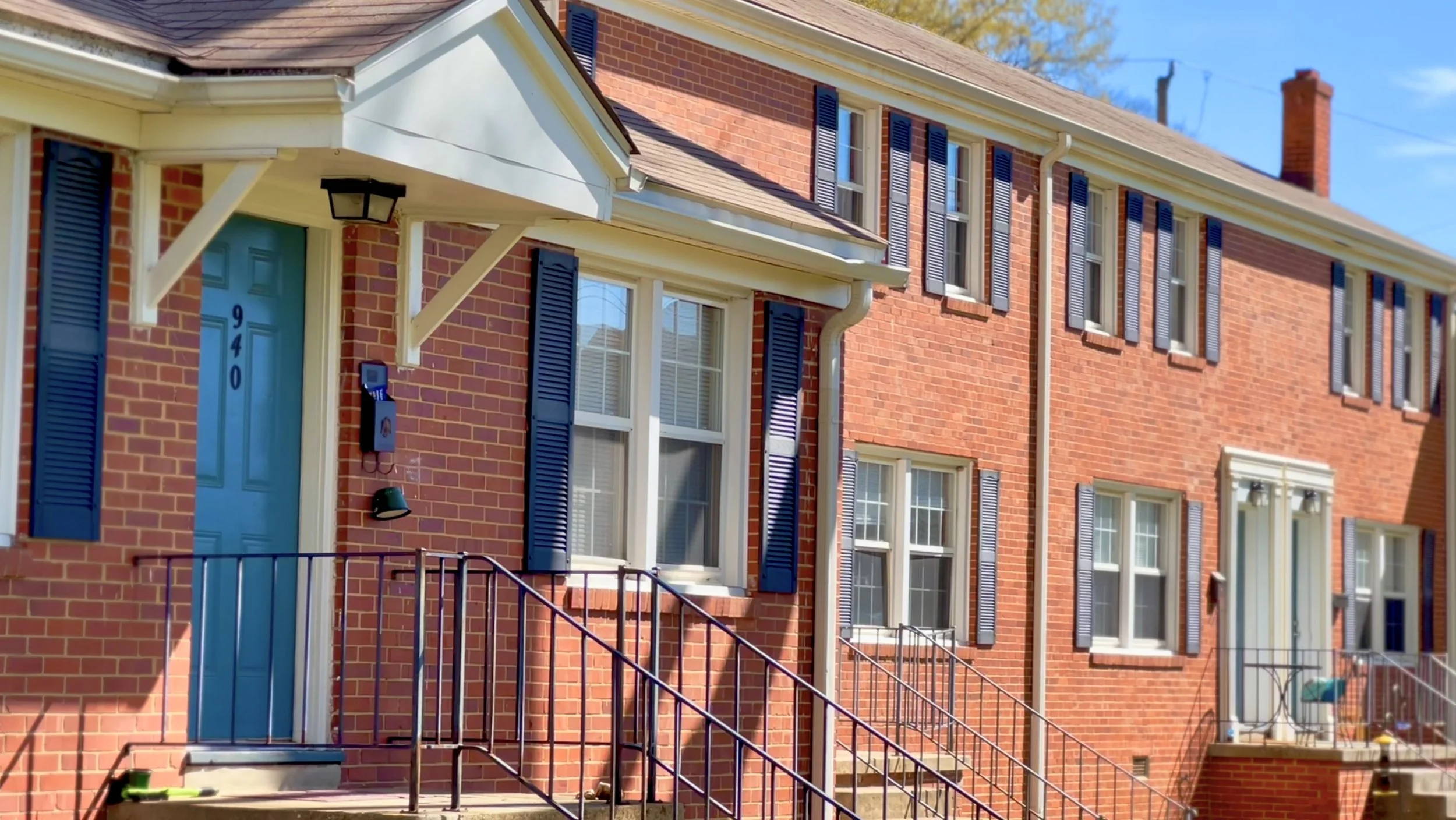
Latham Park Manor
2010-2020
Continuity, Change and Loss
As the rental market recovered, Fidelity continued the gradual process of reinvesting in its communities.
The company remained intentionally conservative.
Properties were not acquired simply to increase the size of the portfolio. Improvements were made deliberately, with an eye toward long-term value and the experience of the people who called Fidelity properties home.
But no company history—particularly the history of a family business—is composed only of acquisitions and renovations.
There is loss as well.
In 2018, Ryan Austin died unexpectedly.
His passing left a void within both the Austin family and Fidelity Realty Company that could never be filled.
Yet the work continued, as family businesses so often do—one generation carrying memories of those who came before while accepting responsibility for what comes next.
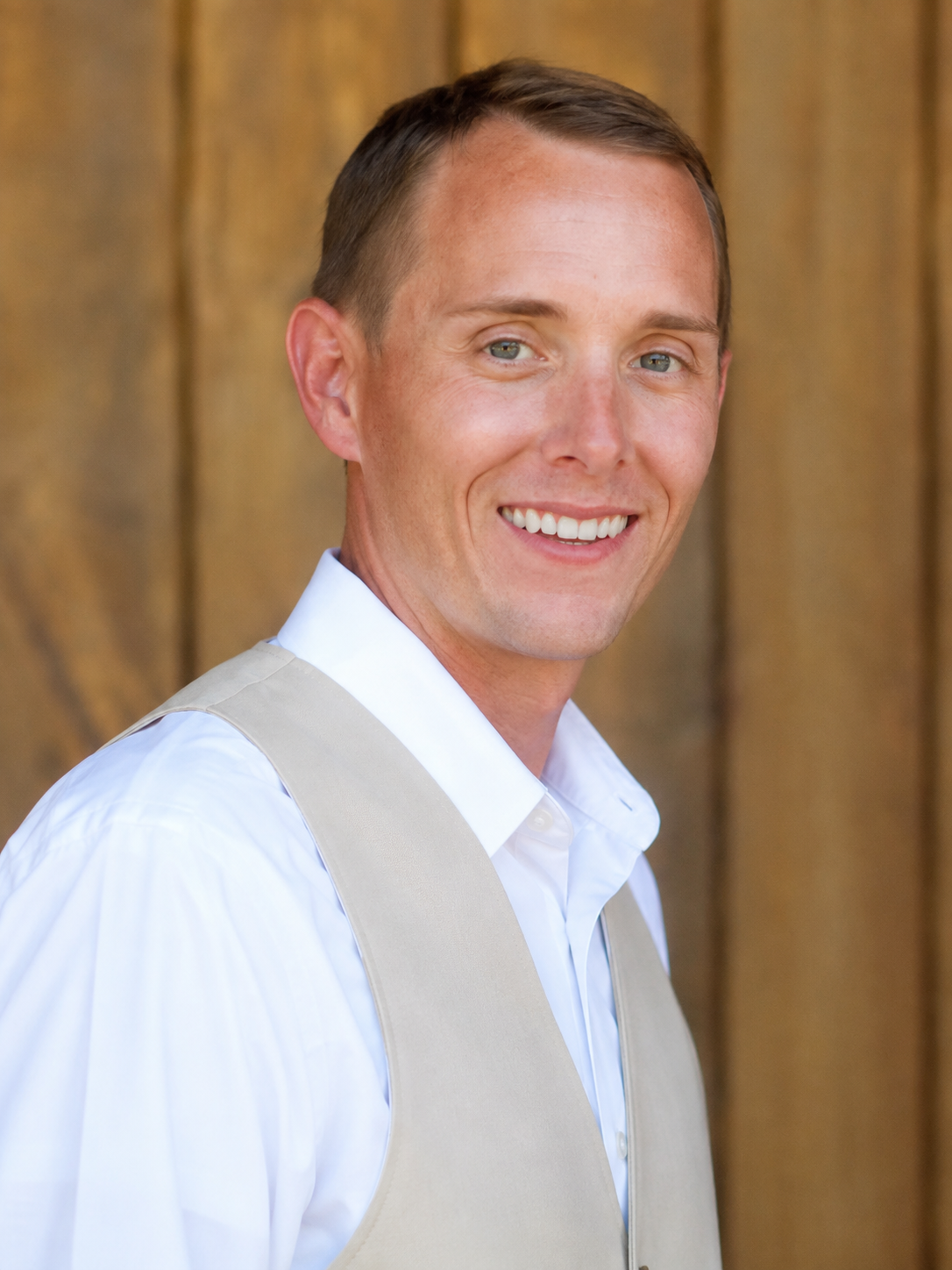
Ryan Blake Austin May 7, 1984–January 31, 2018
2020
A New Period of Investment
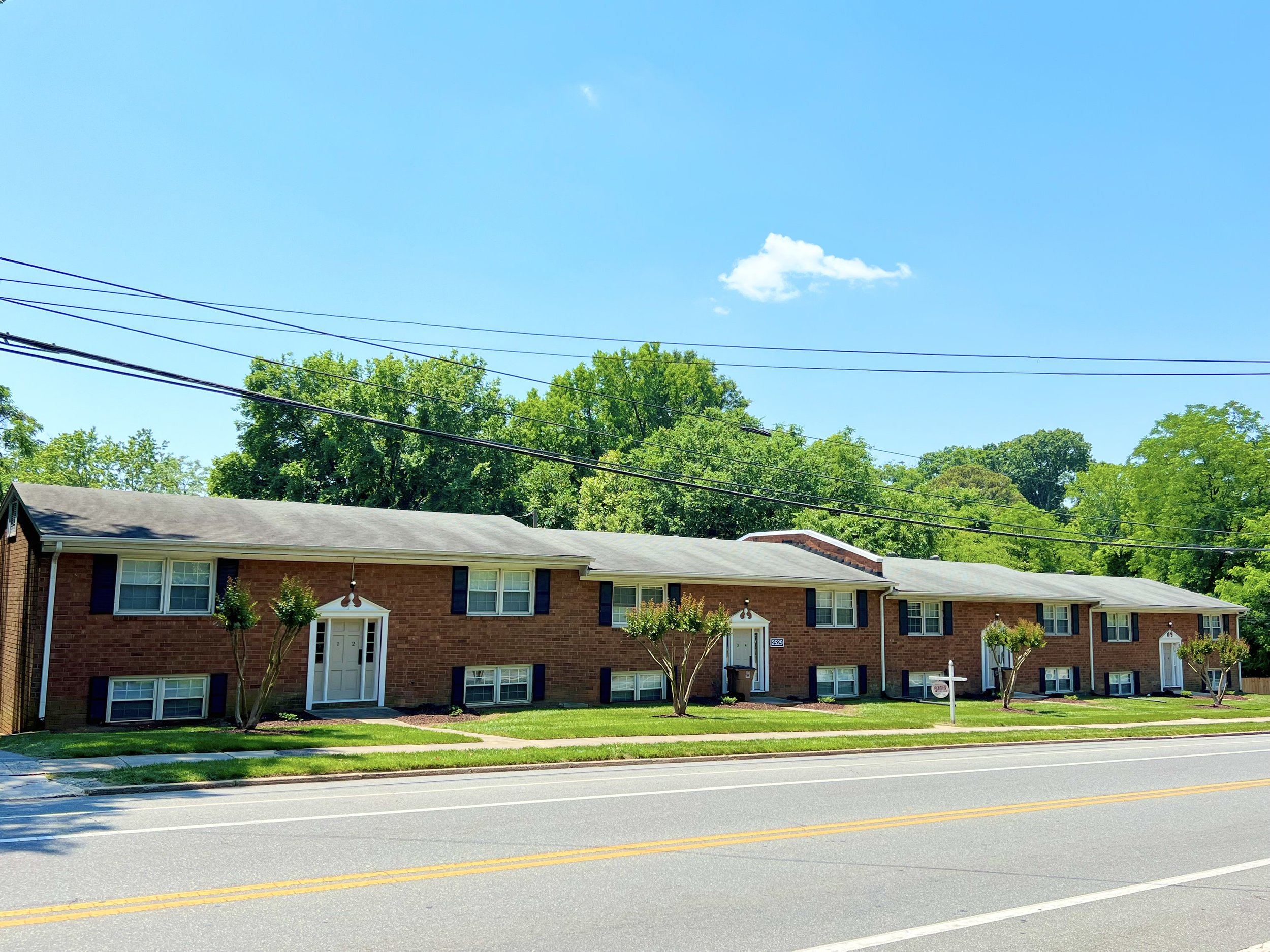
The year 2020 marked another period of expansion. Fidelity acquired Sycamore Apartments, a small 16-unit apartment community. Its one-bedroom residences presented an opportunity for thoughtful renovation and modernization while maintaining the approachable character that had long defined Fidelity's portfolio.
That same year, Fidelity acquired Hill Street Apartments, located directly across from Latham Park Manor. The property offered another opportunity to apply the philosophy first demonstrated at Mosby Drive more than forty years earlier: Take something with good bones and untapped potential and make it better. Plans called for extensive renovations designed to create a more distinctive and elevated apartment offering.
Yet 2020 would also become a year unlike any other. The COVID-19 pandemic disrupted daily life and business operations throughout the country, bringing economic uncertainty, public health restrictions, and unprecedented challenges to housing and property management. For Fidelity, as for property managers everywhere, the work could not simply stop. Residents still depended upon their homes, properties still required maintenance, and the company had to adapt while continuing to serve its communities through an extraordinarily uncertain time.
Meanwhile, Latham Park Manor—already a part of the Fidelity story for more than half a century—received extensive landscaping improvements that enhanced the character of one of the company's most recognizable communities.
Old properties were being renewed.
New properties were being welcomed.
And Fidelity's story continued.
Sycamore Apartments
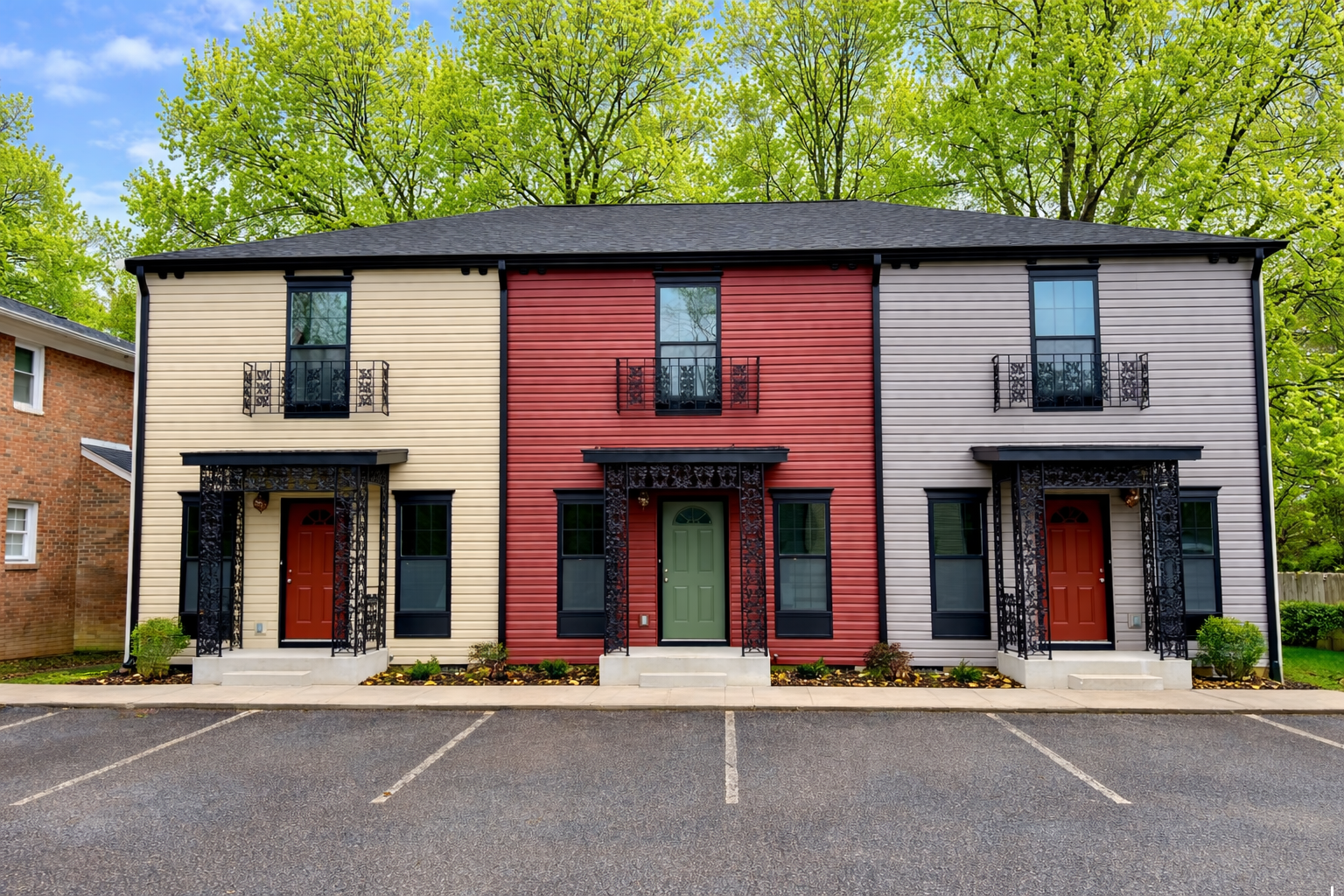
Hill Street Apartments
2021
Another Member of the Third Generation
In 2021, David Ridge, Stuart's son, joined Fidelity Realty Company as Director of Marketing and Customer Service.
His arrival continued the transition toward a third generation of family involvement.
The responsibilities of property management had changed considerably since Doc's time.
Residents communicated differently. Marketing had moved online. Expectations had evolved. Technology had transformed nearly every aspect of business.
But some things had not changed at all.
People still wanted to be treated fairly.
They still wanted someone to answer when they needed help.
And they still wanted a clean, comfortable, and attractive place they could be proud to call home.
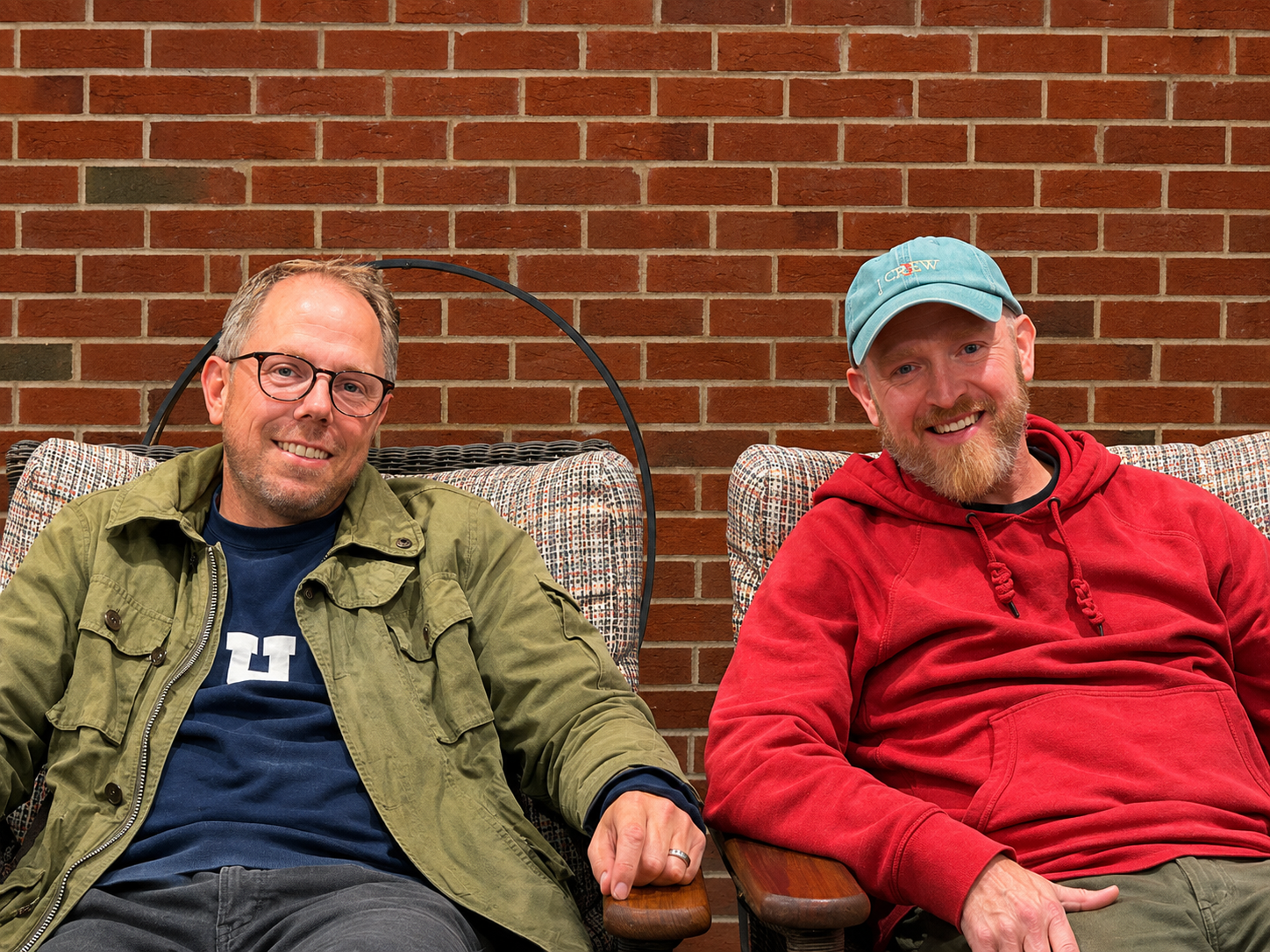
Jason Austin and David Ridge
2017 - 2021
2023
Normandy Manor
In 2023, Fidelity acquired Normandy Manor, a neighboring property to Latham Park Manor. The acquisition was particularly fitting.
Nearly sixty years after Latham Park Manor entered the Fidelity portfolio, the company was once again investing in the same neighborhood — this time preparing to renovate another established property for a new generation of residents.
Plans were soon underway for renovations at Normandy Manor. In many ways, the project represents the continuation of an idea that has surfaced repeatedly throughout Fidelity's history.
From Mosby Drive in 1979...
to Latham Park Manor...
to Lindley Park Manor...
to Yorkleigh and Lakewood...
to Sycamore, Hill Street, and many in between...
and now Normandy Manor.
Fidelity has repeatedly chosen to recognize value in existing communities and invest in their future.
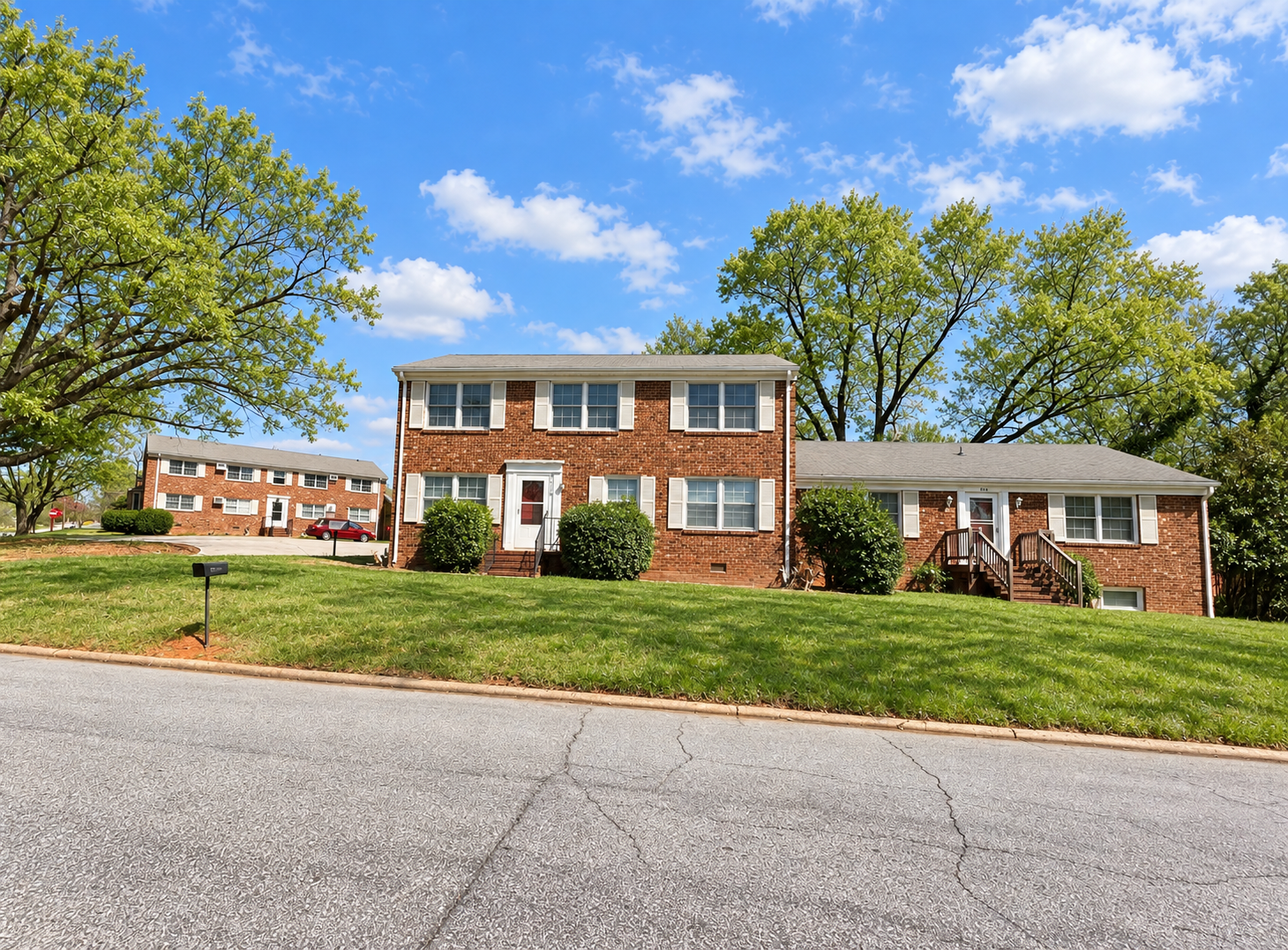
Normandy Manor
2022–Today
2026
A Legacy of Leadership
In 2026, Mark J. Austin retired from Fidelity Realty Company after 54 years of dedicated service. Mark joined his father’s company in 1972, beginning as a rental agent and apartment turnover specialist before being elected President five years later.
Throughout his career, Mark helped guide Fidelity through periods of growth, renovation, economic change, and renewal. Working first alongside his father and later with his brother, Stuart, he played an instrumental role in the major renovations of Latham Park Manor and Lindley Park Manor, the preservation of longtime Fidelity properties, and the introduction of a third generation into the family business.
Mark’s retirement marked the close of a remarkable chapter in Fidelity’s history. His steady leadership, practical experience, and lifelong commitment to the company helped shape Fidelity Realty into what it is today. Although his formal role has ended, the influence of his work remains visible throughout the properties, communities, and traditions he helped sustain for more than half a century.
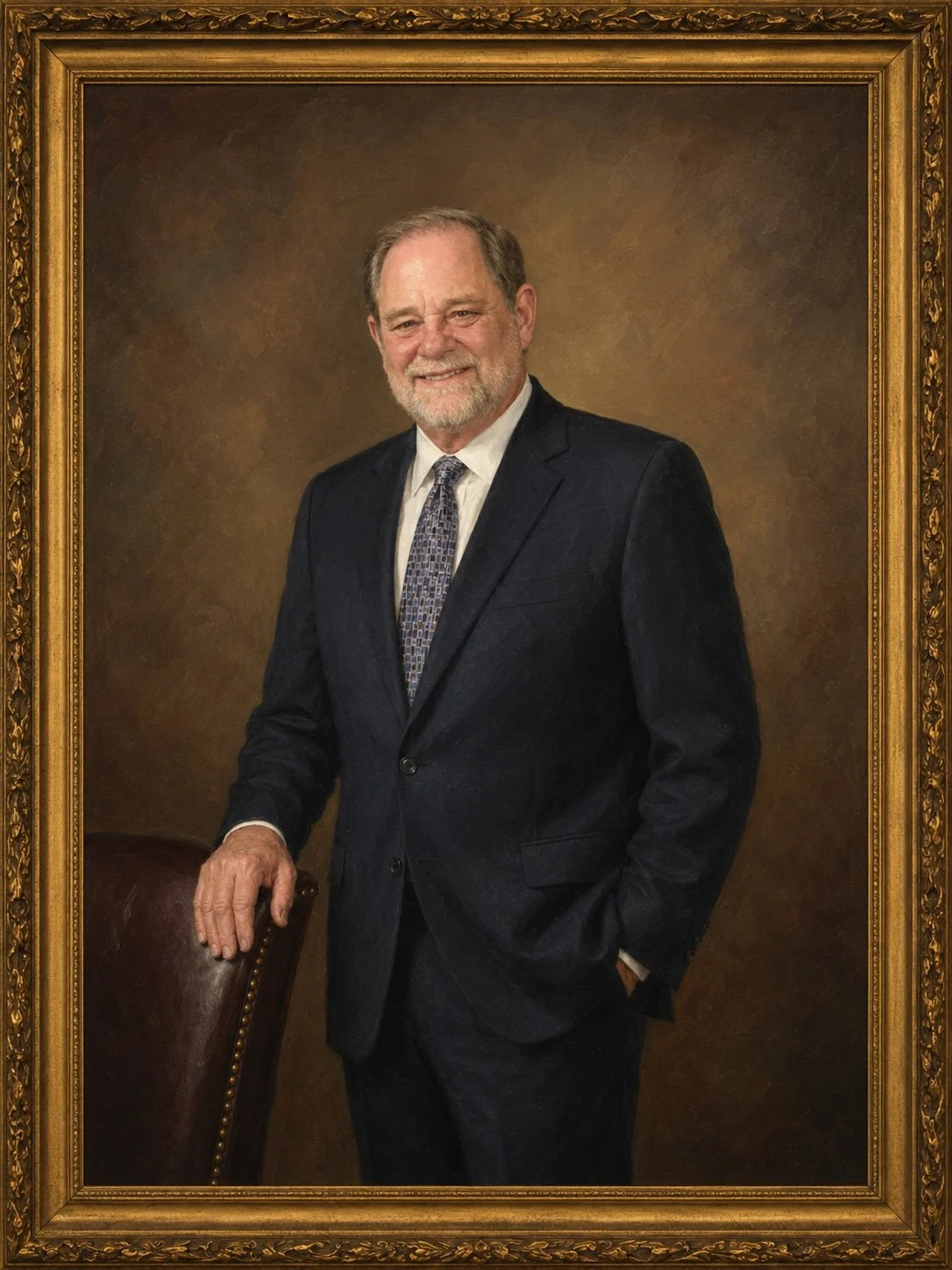
Mark J. Austin 1972–2026
The Next Chapter
More than six decades have passed since Z. W. “Doc” Austin gathered a small collection of rental houses and began pursuing a simple idea.
The world around Fidelity has changed dramatically since then. Greensboro has grown. Neighborhoods have changed. Buildings have aged and been renewed. Threе generations have come through the doors. There have been years of prosperity and years when simply persevering was an accomplishment. There have been celebrations. There have been losses.
And there have been countless ordinary days when someone simply came to work, answered the telephone, repaired a leaking faucet, showed an apartment, planted a flower, painted a wall, balanced the books, or handed a new resident the keys to a home.
Those ordinary days, accumulated across more than six decades, are what built Fidelity Realty Company.
Today, another chapter is beginning.
Normandy Manor represents the next chapter in Fidelity’s long tradition of reinvestment and renewal. Other properties continue to be renovated and improved. A third generation continues to guide Fidelity forward, supported by its dedicated employees whose contributions are becoming part of the company’s continuing story.
No one knows exactly what the next sixty years will bring. But the principles that carried Fidelity through prosperity, recession, growth, loss, change and renewal remain remarkably simple:
Take care of the properties.
Take care of the people.
Build for the long term.
And continue the work.
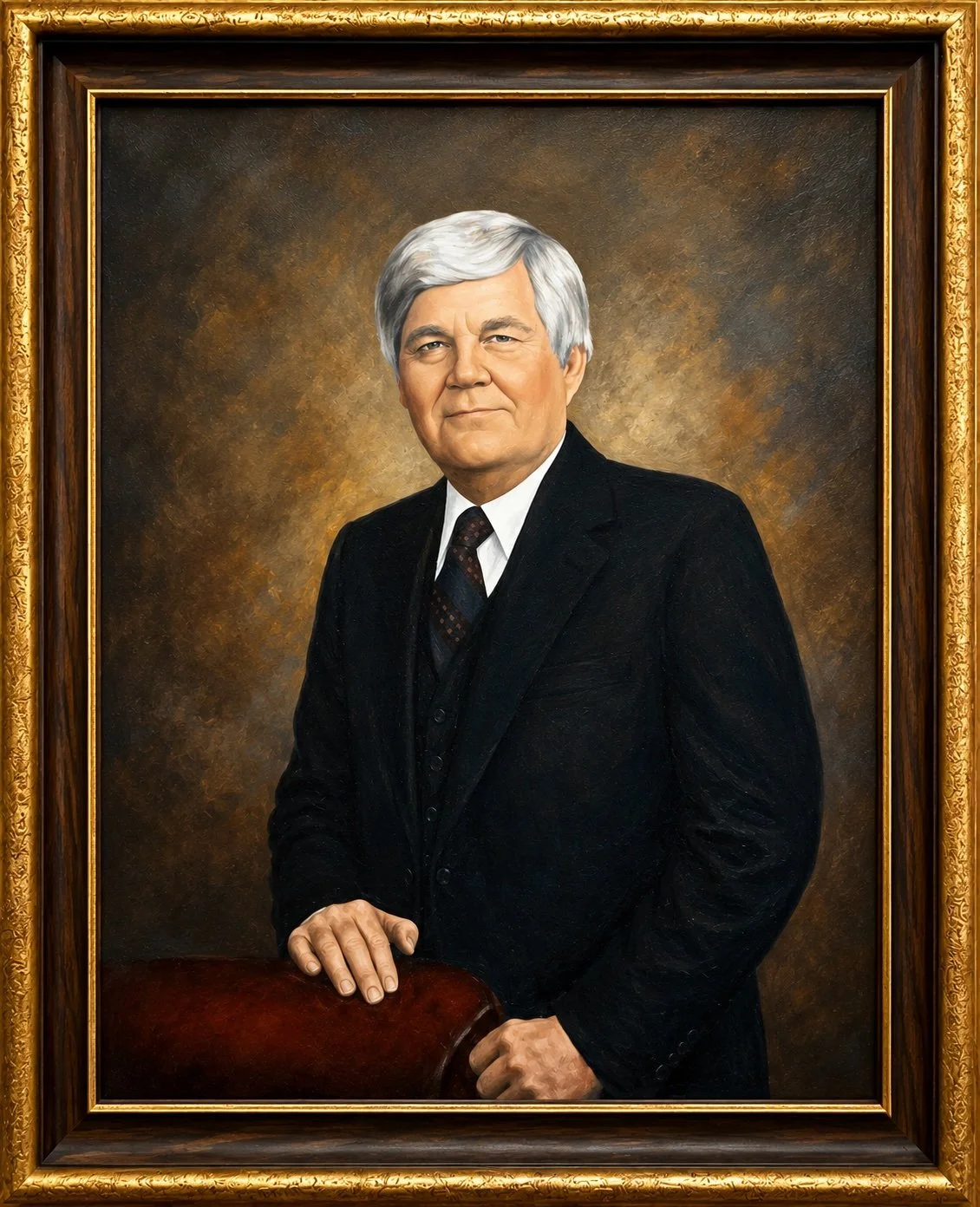
Zebulon William "Z. W." Austin 1962–1981
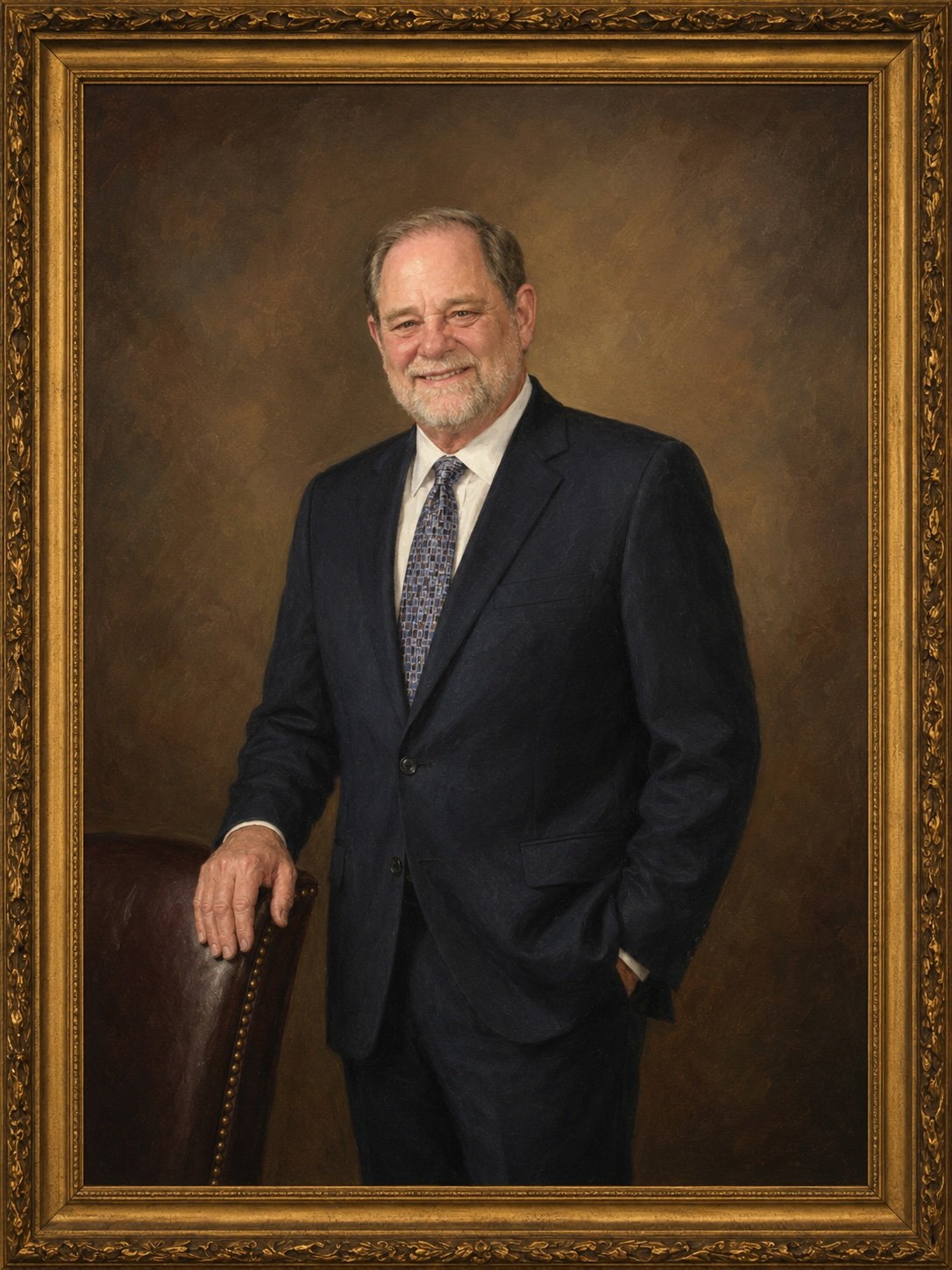
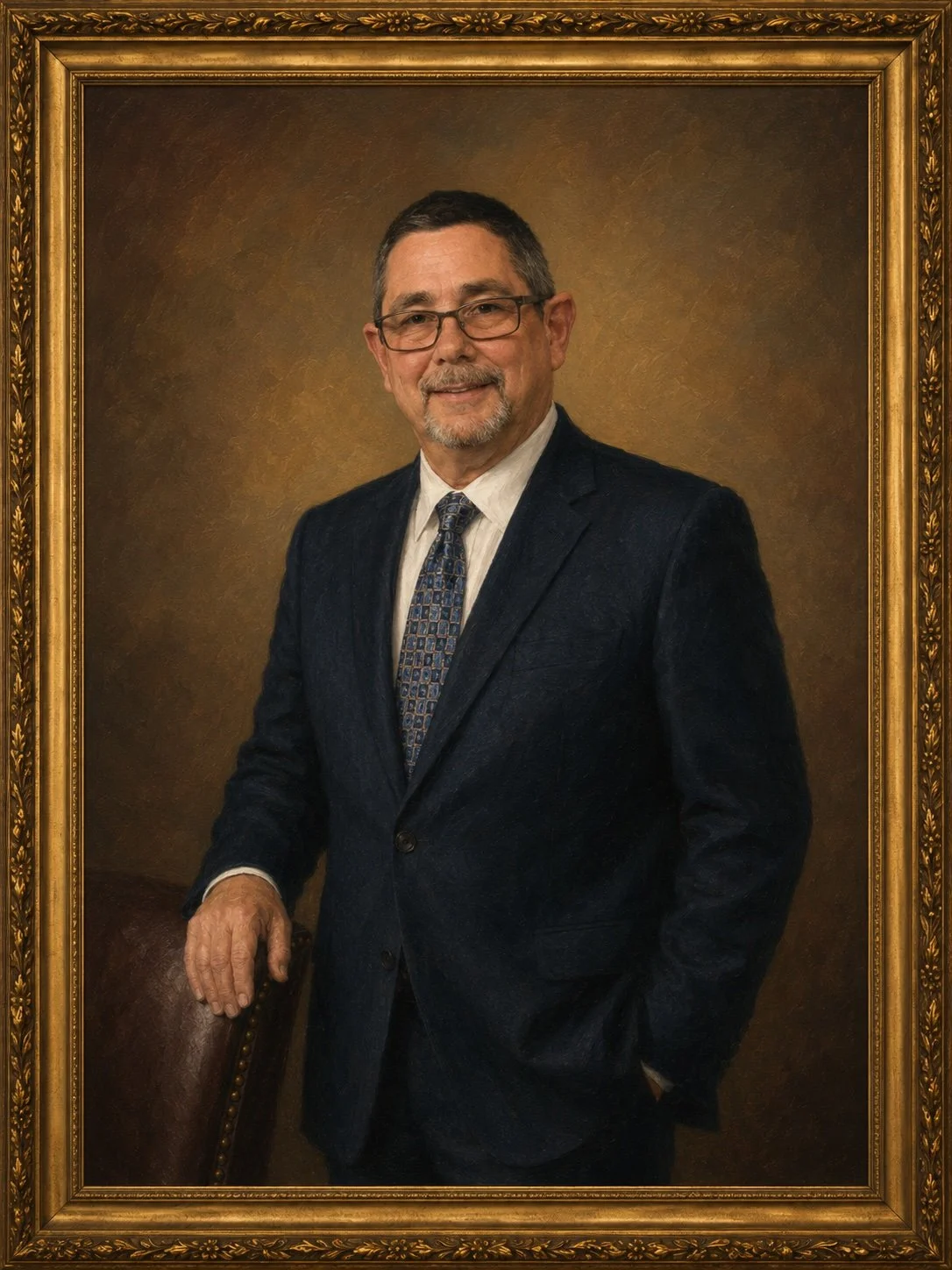
Mark J. Austin 1972– Retired 2026
Stuart W. Austin 1973–Present